 WhatsApp us


 Best Sellers
 Bucket List Adventures
 Short Trips
 Training Weekends
 Epic Peaks
 Remote Adventures
 Hardcore Challenges
 Multi-Activity Adventures
What’s The Difference Between A Local Trekking Operator, Booking Platform And Specialist Trekking Company?
Booking a trek is about more than finding the right route or the cheapest price. Whether you book with a local operator, use a booking platform or choose a specialist trekking company, the team behind your adventure will make a huge difference.
First things first - let’s look at what each option actually involves.
What Is A Local Trekking Operator?
For example, if you’re booking Everest Base Camp, you could book directly with a trekking agency based in Nepal. The local operator may arrange your guides, permits, accommodation, transport, meals and other logistics.
So, what are the advantages of booking with a local company? This one is simple - the local knowledge!
Although trekking companies from further afield can also have extensive knowledge of a destination, local operators are based on the ground and may have particularly strong knowledge of the local environment, culture and logistics.
What Is A Trekking Booking Platform?
Rather than dealing with one trekking company, you can compare different itineraries, prices, dates and destinations in one place, making it easier to research your options.
One thing that's worth checking before you book: A booking platform may list trips from multiple operators, so the company you book through may not be the company delivering the trek itself.
What Is A Specialist Trekking Company?
Because trekking is their speciality, these companies build their knowledge around the destinations and experiences they offer, rather than simply listing trips from different suppliers.
This can mean support beyond the trek itself, including kit and training advice, altitude preparation, travel information, accommodation, transfers and guidance if your plans change.
For travellers taking on a major bucket-list adventure, this level of specialist support can be particularly valuable.
Is It Better To Book A Trek With A Local Operator?
Because they live and breathe the trail, a good local team can offer valuable knowledge of the trails, local conditions and logistics. They may also have established relationships with local guides, accommodation providers and suppliers, which can help with the practicalities of running a trek.
What Are The Advantages Of Booking With A Local Trekking Operator?
Direct access to the team on the ground - Booking directly can give you a more direct relationship with the team responsible for organising your trek. This can make it easier to ask detailed questions about the route, accommodation, local conditions and practical arrangements before you travel.
Potential for more flexibility - Depending on the operator and itinerary, booking directly may offer greater flexibility around dates, group sizes or private departures. Always check what changes are possible before booking.
Best for: Experienced travellers who value direct local expertise and are comfortable researching the operator themselves.
What Are The Disadvantages Of Booking Directly With A Local Operator?
Booking directly with a local operator can offer plenty of advantages, but it also means you need to do more research before committing.
As with any travel provider, it’s worth researching the individual operator to understand their experience, credentials, services and support before booking.
Before you book, find out:
- How long the company has been operating
- Whether it is properly registered where required
- Who your contract is with
- Who actually operates your trek
- What qualifications and experience the guides have
- What emergency procedures are in place
- What’s included in the price
- What happens if your trek is cancelled
- What happens if you become ill or injured
- What financial protection applies to your booking
You should also check the requirements for your specific destination.
For example, the Nepal Tourism Board currently lists Everest Base Camp among the routes where trekkers must be accompanied by a licensed trekking guide and carry a TIMS card issued through a trekking agency.
Are Booking Platforms A Good Way To Book A Trek?
Booking platforms are useful for comparing trips, but they aren’t necessarily the best option for every trekker.
One of their biggest advantages is convenience.
Instead of opening fifty different tabs for fifty individual trekking companies, platforms allow you to compare multiple itineraries, prices and trip styles in one place.
What Are The Advantages Of Booking Through A Trekking Platform?
If you aren’t sure whether you want to trek in Nepal, Tanzania or Peru, a platform can make your initial research much easier.
You can compare:
- Destinations
- Routes
- Trek lengths
- Prices
- Departure dates
- Group sizes
- Accommodation
- Reviews
- What’s included
However, the cheapest trek isn't necessarily the best-value trek, as two apparently similar itineraries could have different inclusions.
One itinerary might include airport transfers, permits, accommodation and meals, while another might charge for these separately.
Always compare the total cost rather than the headline price.
Best for: Travellers who want to compare lots of options quickly and are prepared to research the operator behind the listing.
What Are The Disadvantages Of Booking Through A Platform?
Depending on the platform, you may be booking a trek that is operated by a third-party company. This isn’t necessarily a disadvantage, but it’s worth understanding the relationship before booking.
You should check:
- Who operates the trek
- Where the operator is based
- Who your guide will be
- Who you contact during the trek
- Who handles emergencies
- What happens if the operator cancels
- What happens if your itinerary changes
- What financial protection applies
ABTA advises travellers to check their booking documents to understand which company is responsible for providing the travel services. With a package holiday, the organiser has responsibility for the package as a whole, while individual travel arrangements can have different contractual arrangements.
Is A Specialist Trekking Company Worth It?
When you’re planning a bucket-list trek, price is naturally an important consideration. But it’s also worth looking at what you’re getting for that price, including the level of trekking expertise and support available before and during your trip.
A specialist trekking company understands that a successful trek involves more than simply getting you from the start of the trail to the finish. Preparation, logistics and support all form part of the experience. Depending on the destination, preparation can include training, kit, acclimatisation planning, travel arrangements and understanding the conditions you may encounter.
The biggest difference is specialisation.
What Are The Benefits Of Booking With A Specialist Trekking Company?
A specialist trekking company should be able to answer questions that go far beyond:
"What time does the trek start?"
You should be able to ask about:
- How to train for your trek
- What boots and clothing to take
- How to prepare for altitude
- How much walking you’ll do each day
- How acclimatisation works
- What accommodation is like
- What food is available
- How much cash you need
- What insurance you need
- What happens if you struggle with altitude
- What happens if flights are delayed
- What happens if the weather changes your itinerary
Especially if this is your first major trekking adventure, this specialist expertise could be particularly valuable.
Instead of having to piece together advice from blogs, forums and social media, you have a team that understands the trek you’re actually taking and here at EverTrek, many who have taken on those same treks themselves!
A team behind you before, during and after your trek - Having a dedicated point of contact can make planning a major adventure much easier. Whether you have questions about your itinerary, need advice before departure or need help understanding what happens if plans change, having someone familiar with your trip can provide useful reassurance.
At EverTrek, we support trekkers throughout the planning process and provide clear information about what to expect before they travel.
Local expertise stays local - A specialist trekking company doesn't mean replacing local expertise - they can work alongside it!
EverTrek combines specialist support before you travel with experienced local teams at the destination.
But working with local teams doesn’t mean simply handing your booking over. EverTrek carefully selects the in-country teams we work with and builds long-term partnerships with them. We work closely together on the itineraries our EverTrekkers follow, the experience we want customers to have and the standards we expect around guiding, safety and emergency procedures.
That means you get the benefit of people who genuinely know the destination on the ground, while still having the EverTrek team helping to shape and support your adventure every step of the way.
Before you travel: UK-based advice, preparation and support.
During your trek: Experienced local guides and destination expertise.
If something changes: A support network rather than simply a booking confirmation.
Standards behind the adventure
On high-altitude and remote adventures, what happens behind the scenes matters just as much as the itinerary itself. That’s why we carefully choose the local teams we work with and make sure we’re aligned on everything from guiding standards and altitude management to safety and emergency procedures.
Our local teams bring years of experience and an incredible amount of knowledge about the destinations they work in. EverTrek’s role is to work alongside them, making sure that expertise is backed up by the standards, support and customer experience we expect on every EverTrek adventure.
Financial protection matters too
When you’re paying for a major adventure months in advance, it’s important to understand how your money is protected.
EverTrek is a member of ABTOT, a UK Government-approved body providing financial protection under the Package Travel Regulations. This means eligible EverTrek bookings have financial protection in place in the event of our insolvency.
The level and type of financial protection can vary depending on who you book with and where they are based, so it’s always worth checking what protection applies to your booking before committing to a trekking company.
What Should I Look For In A Trekking Company?
So, when you are vetting a trekking company, don’t just look at the glossy summit photos. Look for these non-negotiables:
1. Trekking expertise
Look for a company with clear experience in the type of trekking adventure you’re planning and detailed knowledge of the destinations it offers.
2. Experienced local teams
Local knowledge is essential. Check that your trekking company works with experienced, reputable guides and partners on the ground.
3. Support before you travel
Your relationship with the company shouldn't end when your payment is made. Look for a team that guides you through physical training plans, gear checklists, and shifting permit regulations before you leave, and provides a direct point of contact while you are away.
4. What's included
Don’t compare prices based on the headline figure alone. Check exactly what’s included, including accommodation, meals, permits, transfers, guides and other essential costs.
5. Reviews and reputation
Look at what previous trekkers say about the company, particularly their guides, organisation, communication and support when things don’t go to plan.
6. Clear communication
You should know who to contact if you have a question or if something changes. Look for a company that provides reliable support before and during your trek.
7. Safety and emergency procedures
Ask what procedures are in place if someone becomes ill or injured, how guides are trained and how emergencies or evacuations are handled. This is particularly important for remote and high-altitude trekking.
8. Financial protection
Understand how your money is protected if the company you’re booking with becomes insolvent. Protection can vary depending on the company, country and type of booking, so don’t assume every trek offers the same safeguards - EverTrek is an ABTOT member, providing financial protection for eligible bookings under the applicable Package Travel Regulations.
Ultimately, the best trekking company for you will depend on what you value most. Look for a company that combines strong trekking knowledge, experienced local teams and clear support, so you know what to expect before you travel.Local Operator vs Booking Platform vs Specialist Trekking Company: Which Is Best?
Which option is best for you?
Choose a specialist trekking company if: You want experienced local teams on the ground, but also value specialist pre-trip preparation, carefully developed itineraries, additional oversight around standards and safety, financial protection and a company behind you throughout the wider journey.
Choose a local operator if: You value direct local knowledge and flexibility and are confident doing your own research.
Choose a booking platform if: You want an easy way to discover and compare lots of different treks and operators, and you're comfortable checking who ultimately operates and takes responsibility for your trip.
When you’re investing in a once-in-a-lifetime trek, taking the time to understand who you’re booking with, what’s included and what support you’ll receive can help you choose the option that’s right for you.
Booking a trek: Key questions answered


Kilimanjaro - The Long Way
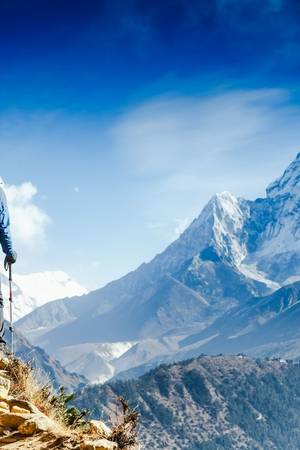
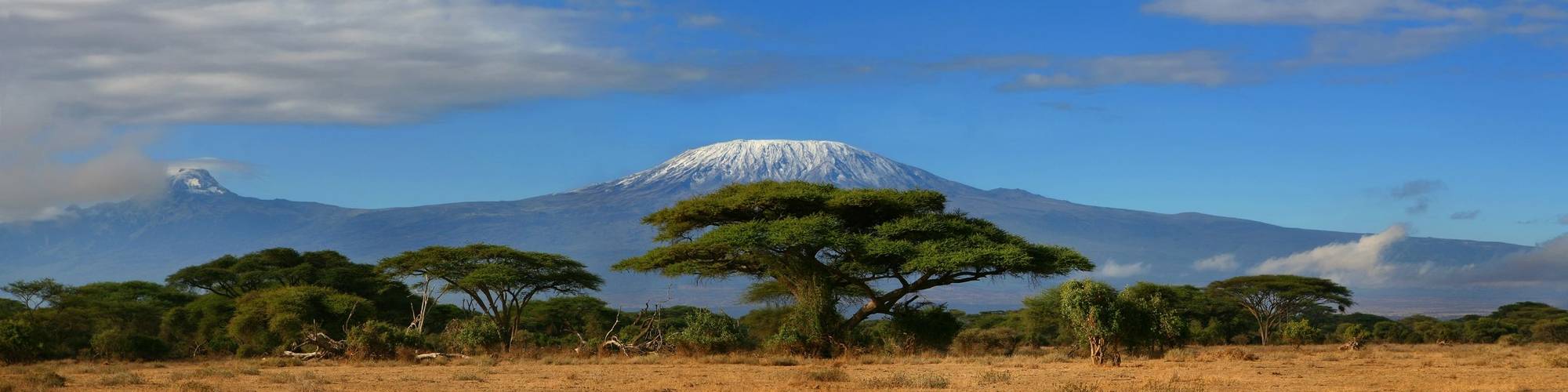
- As Africa’s highest peak and one of the legendary Seven Summits, it’s no wonder Mount Kilimanjaro is on the bucket list for trekkers and mountaineers alike.
- Challenging and rewarding, trekking to the Kilimanjaro summit is a truly memorable experience.
- Our Kilimanjaro expedition takes you along the Lemosho Route.
Machu Picchu via Tomacaya route - The Hidden Valley
- Get ready for an epic adventure to Machu Picchu like no other.
- The Tomacaya Route is an awesome off-the-beaten-path trek that takes you deep into the remote valleys of the Andes, far from the crowds of the classic Inca Trail.
- This quieter, more rural route leads you over the dramatic Tocto Pass at 4,900m, alongside the towering south face of Mount.

 View trip