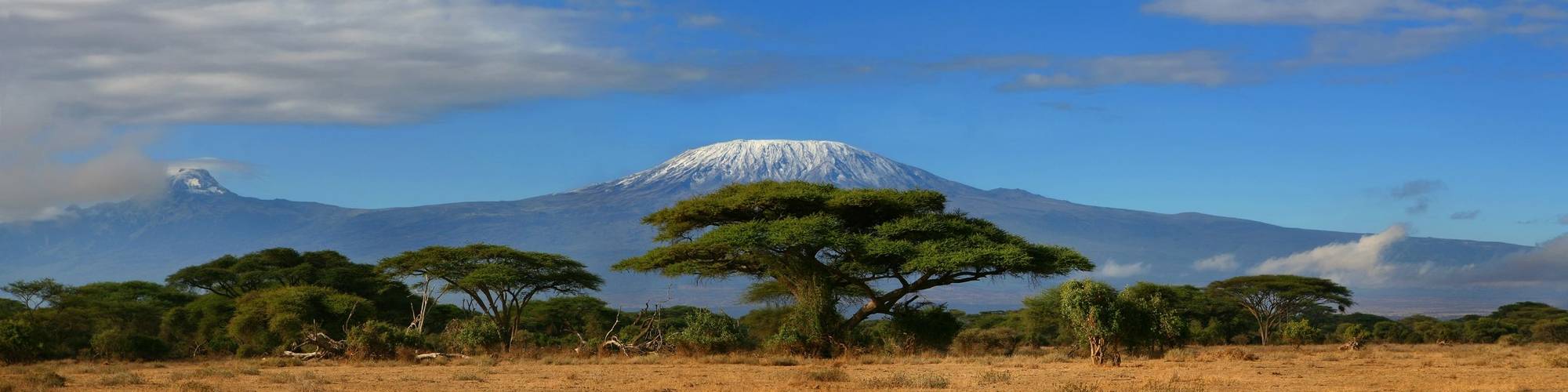
Time to tackle Mount Kilimanjaro? Before you start training for the 5,895m summit, there’s another important part of your preparation to sort: your travel health.
Kilimanjaro is in Tanzania, so the vaccinations and health precautions you need are based on the latest Tanzania travel health advice. Some vaccines are recommended for most travellers, while others depend on your plans, health and how you enter the country.
Here’s what to know before your Kilimanjaro adventure.
Which Vaccinations Are Recommended For Kilimanjaro?
There are no specific compulsory vaccinations for climbing Mount Kilimanjaro itself, but Tanzania has vaccination recommendations and entry requirements that you should check before travelling.
Travellers to Tanzania should make sure their routine UK vaccinations are up to date. For most travellers, the main vaccinations to discuss with a healthcare professional are:
- Hepatitis A
- Tetanus
- Typhoid
- Routine vaccinations such as MMR and diphtheria-tetanus-polio
Hepatitis A, tetanus and typhoid are the key vaccinations to discuss before travelling to Tanzania, alongside keeping your routine UK vaccinations up to date.
Hepatitis A
Hepatitis A can be spread through contaminated food and water. It is a recommended vaccination for previously unvaccinated travellers visiting Tanzania.
Tetanus
Tetanus bacteria can enter the body through cuts, puncture wounds and other injuries. That’s particularly worth considering when you’re spending several days trekking in a remote mountain environment.
It's recommended that travellers have completed the UK tetanus vaccination course. A booster may be recommended if your last dose was more than 10 years ago in situations where medical facilities may be limited.
Typhoid
Typhoid is another food- and water-borne infection. TravelHealthPro recommends vaccination for most travellers to Tanzania, alongside sensible food and water hygiene.
Do You Need Malaria Tablets For Kilimanjaro?
Malaria is present in parts of Tanzania, so malaria prevention should be discussed with a healthcare professional before your trip.
Interestingly, there is no malaria risk above 1,800m, meaning there is no malaria risk at the higher elevations of Kilimanjaro itself. However, there is a high malaria risk in areas of Tanzania below 1,800m, including Zanzibar. Antimalarial medication may therefore be recommended depending on the wider itinerary.
Don’t forget that malaria prevention isn’t just about tablets. Mosquito bite avoidance is also important, particularly when you’re at lower elevations.
Your GP, pharmacist or travel health clinic can advise whether antimalarial medication is appropriate for your particular trip.
Do You Need A Yellow Fever Vaccine For Kilimanjaro?
Yellow fever vaccination is not generally recommended simply for travelling to Tanzania, as the potential for exposure is considered low.
However, you may need a yellow fever vaccination certificate to enter Tanzania if you are arriving from a country where yellow fever transmission occurs, or if you have transited through a risk country for more than 12 hours.
This is particularly important if you’re adding other destinations to your trip, so check the current entry requirements before travelling.
When Should You Get Your Kilimanjaro Vaccinations?
Ideally, arrange a travel health appointment four to six weeks before travelling. This gives you time to check your existing vaccination history and complete any vaccines or courses that may be recommended.
Even if you’re travelling sooner than this, it’s still worth speaking to a healthcare professional.
Where Can You Find The Latest Tanzania Travel Vaccine Advice?
Travel health guidance can change, so always check the latest recommendations before your Kilimanjaro trek.
TravelHealthPro provides current, country-specific advice for Tanzania, including vaccination recommendations, malaria information and yellow fever entry requirements.
You can also speak to your GP, pharmacist or a specialist travel health clinic for personalised advice.
Ready For Your Kilimanjaro Adventure?
With your vaccinations and Tanzania travel admin ticked off, you can focus on the exciting part: training for the summit, sorting your kit and getting ready to stand on the Roof of Africa!
Your 5,895m summit awaits.
Kilimanjaro - Hut to Hut
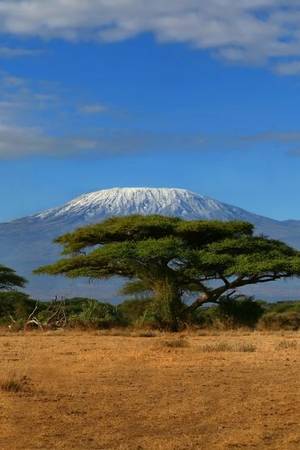
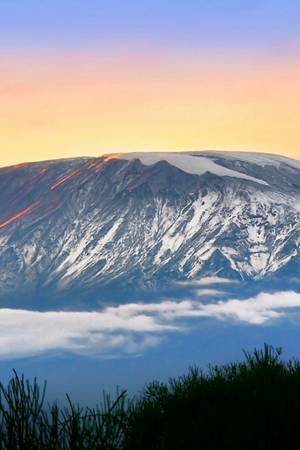
- Mount Kilimanjaro, standing at 5,895m, is Africa’s highest mountain and one of the legendary Seven Summits.
- Our unique 7-day itinerary follows the Marangu Route through Kilimanjaro’s changing landscapes to the Roof of Africa at Uhuru Peak.
- As the only route with mountain hut accommodation, Marangu offers the welcome comfort of sleeping indoors in a bed each night during the trek, rather than camping in tents.

 View trip