 WhatsApp us


 Best Sellers
 Bucket List Adventures
 Short Trips
 Training Weekends
 Epic Peaks
 Remote Adventures
 Hardcore Challenges
 Multi-Activity Adventures
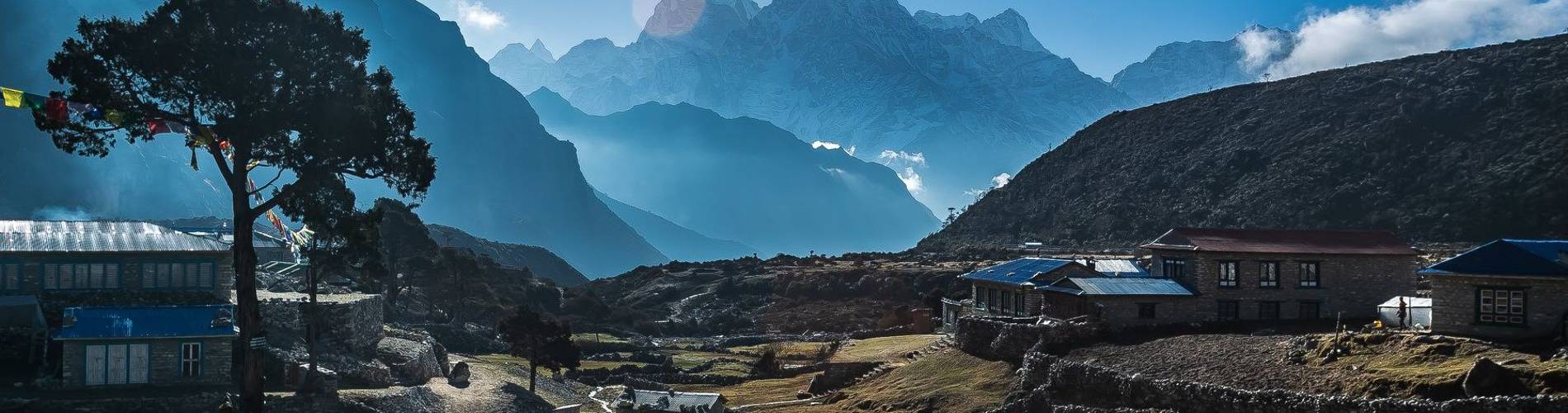
Training for Everest Base Camp shouldn’t be taken lightly, but should also be fun. A combination of cardiovascular endurance, strength training, and regular hiking in the hills or mountains should form the backbone of your preparation for the trek.
Nothing can truly prepare you for the altitude of 5,364m (17,598ft) – or higher if you’re taking on the Everest Three Passes Trek – but the right training will make the experience significantly more manageable.
Getting to a fitness level where you can comfortably trek for multiple consecutive days with a pack on your back is the goal. That’s exactly what I focused on before my first trek to Everest Base Camp.
Everest Base Camp Training: The Key Principles
Before building your Everest training plan, it’s helpful to know what the trek actually demands:
- 11 days of trekking, averaging 5-8 hours per day
- Daily elevation gain and loss on uneven, rocky terrain
- Altitude starting at around 2,652m and topping out at 5,364m
- Carrying a daypack of roughly 5-8kg throughout
With this in mind, your Everest Base Camp training should address four things: leg strength, cardiovascular endurance, pack-carrying stamina, and mental resilience for those big trekking days.
Expert tip: High-altitude personal trainer and EverTrekker Adam Gawley recommends focusing your training on the real demands of EBC: long days on your feet, repeated climbs and descents, and building the stamina to keep moving steadily at altitude.
Step One: Buy Your Boots Before You Start Training
I can’t stress the importance of this enough. You want your boots broken in weeks – ideally months – before your trek. I wore mine every day and took them out on long walks in the Brecon Beacons in Wales and even to the gym during workouts.
Boot choice is integral for your Everest prep, but it does come down to personal preference and fit. I went with the North Face Terra GORE-TEX® Mid Walking Boots, partly on the recommendation of a friend who wears the same pair on treks of 30-45 days. Any boot from North Face or Scarpa – slightly pricer but worth it – is a solid choice.
Whatever boots you pick, start wearing them immediately. Your feet will thank you at altitude.
Check out our other guide to the best boots for Everest Base Camp 2026 here.
Building Your Everest Training Plan
If you’re wondering how many weeks you need to train for Everest Base Camp, I trained for roughly 8 weeks before my trek. However, I was already maintaining a regular strength programme year-round, so those 8 weeks focused purely on adding cardio.
If you’re starting from a lower base, 12-16 weeks is the realistic minimum for a well-rounded Everest training plan.
In hindsight, I could have benefited from more time on hills and trails. Uphill fatigue was the one thing I felt on the trek that more targeted preparation could have addressed.
Recommended Weekly Training Structure for Everest
Monday — Strength, 45–60 minutes
Focus on legs and compound lifts to build the strength needed for uphill trekking and long days on your feet.
Tuesday — Cardio, 45–60 minutes
Use treadmill incline walking or the stair climber to build sustained uphill fitness.
Wednesday — Strength, 45–60 minutes
Focus on upper body and core strength to support posture, pack carrying and overall stability.
Thursday — Hill walk or trail hike, 3–5 hours
Use this session to practise walking with a pack, managing different terrain and building trek-specific confidence.
Friday — Strength, 45–60 minutes
A full-body strength session to reinforce leg, core and upper-body endurance.
Saturday — Long hike, 5–8 hours
This is your key endurance session. It helps prepare your body for long trekking days and back-to-back effort.
Sunday — Rest or active recovery
Keep this light with gentle walking, stretching or mobility work to help your body recover.
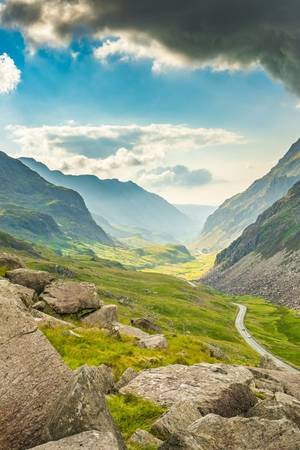
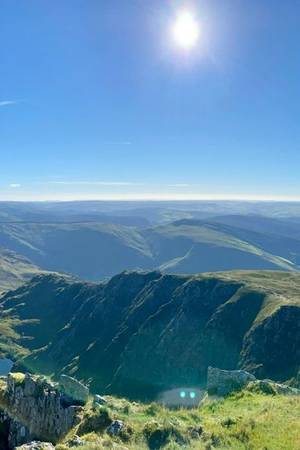
Cadair Idris Summit Trek
- This guided mountain adventure explores the rugged beauty of Cadair Idris, one of the most iconic peaks in Wales and a key part of the Welsh 3 Peaks challenge.
- Located at the southern end of Snowdonia National Park, near the town of Dolgellau, Cadair Idris offers dramatic ridgelines, quiet upland terrain, and far-reaching views across the Welsh mountains and coastline.
- This trip combines a dedicated navigation training day on quieter surrounding peaks with a classic summit ascent of Cadair Idris itself, creating a well-rounded mountain experience focused on skill-building, confidence, and enjoyment.
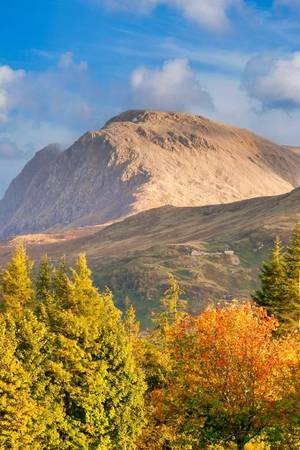
Ben Nevis Summit Trek
- This guided summer adventure takes you to the summit of Ben Nevis, the highest mountain in the UK and one of the great milestones for anyone exploring the British hills.
- Rising dramatically above the Highlands, Ben Nevis offers a powerful sense of scale, challenge, and reward, with ever-changing mountain scenery and a true feeling of achievement at the summit.
- Based near Fort William, this trip is carefully paced to give you the best possible summit experience.
Strength Training for Everest Base Camp
I maintained my existing strength routine throughout my preparation but added a few other exercises that would help for the trek. You don’t need to follow this exact programme, but strengthening your legs in particular will pay dividends on the trail.
My routine included:
- Dead lifts
- Squats
- Front Squats
- Bench Press
- Incline Press
- Pull-ups
- Push-ups
- Weighted step-ups
Each session lasted 45-60 minutes. On top of this, I added 30 minutes of dedicated cardiovascular work daily.
Key Strength Exercises for the Trek
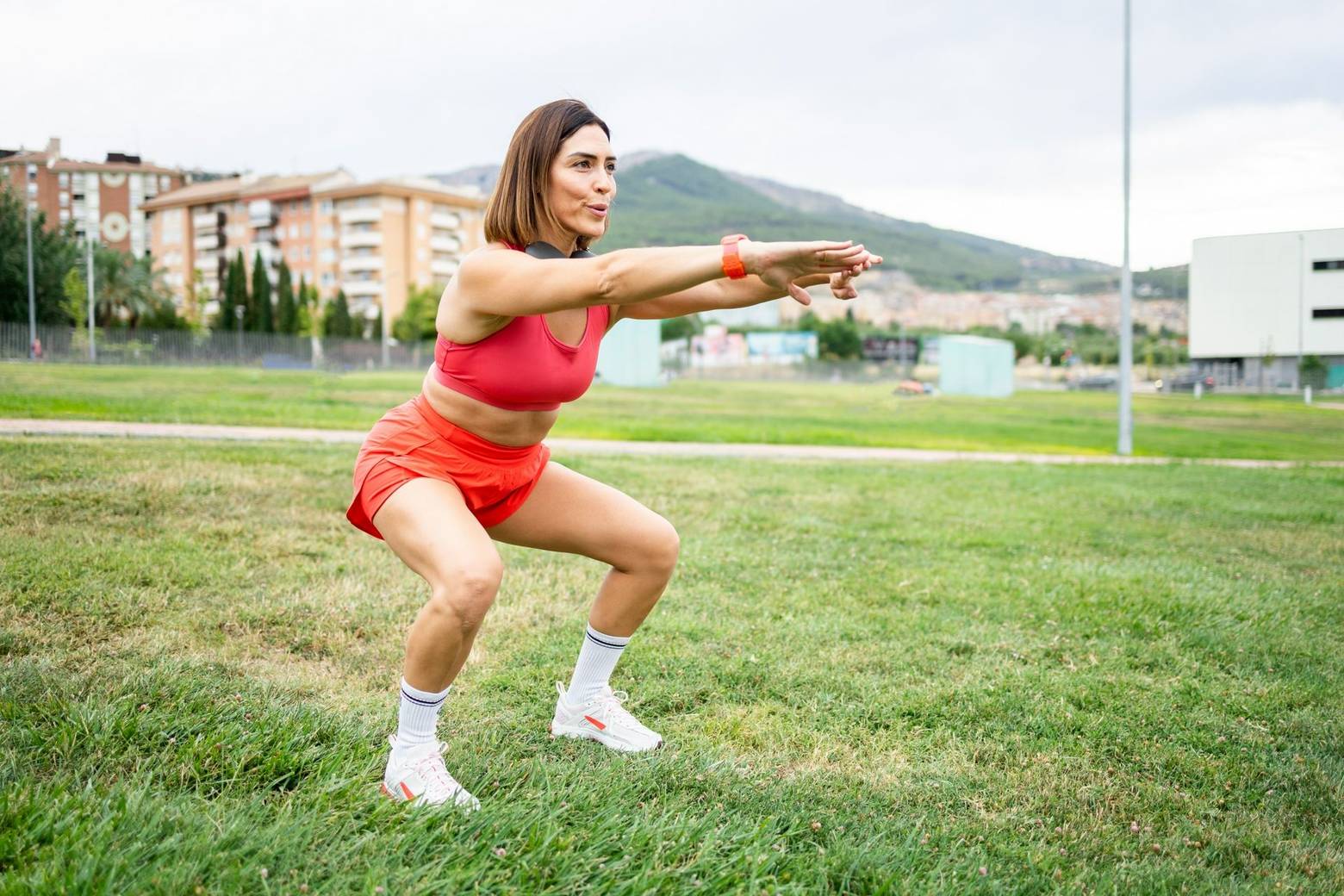
Squats / front squats — Quads, glutes and core
Squats help build the leg strength you’ll need for sustained uphill trekking. Front squats can also be useful because they challenge your core and posture, which helps when walking with a pack.
Deadlifts — Posterior chain
Deadlifts strengthen the muscles through the back of the body, including the glutes, hamstrings and lower back. This can help with pack-carrying endurance and general stability on longer trekking days.
Weighted step-ups — Quads and glutes
Weighted step-ups are one of the most trek-specific strength exercises because they mimic the repeated stepping motion used on climbs, stairs and uneven trails.
Pull-ups — Back and biceps
Pull-ups help build general upper-body strength, especially through the back and arms. While trekking is mainly leg-driven, stronger upper-body muscles can help with posture, pack carrying and overall resilience.
Push-ups — Chest, shoulders and triceps
Push-ups help build upper-body stability and strength through the chest, shoulders and arms. They’re also a simple bodyweight exercise you can include without needing much equipment.
Cardiovascular Training for Everest Base Camp
Any form of cardiovascular conditioning is good training for Everest Base Camp. Your days on the trek will be spent walking rolling hills with a weighted pack and several litres of water, with occasional tough uphill pushes that will test your aerobic abilities.
The toughest thing I encountered wasn’t muscle fatigue. It was the shortness of breath that altitude brings. It’s unlike anything you can fully simulate at sea level, so the goal is to build the strongest possible aerobic engine before you go.
The Best Cardio Exercises for Training to Climb Mount Everest
- Treadmill incline walking with a weight vest: Low impact and highly specific to the demands of trekking. Aim for a vest heavier than your day pack (7-10kg) so the real thing feels lighter by comparison.
- Stair climber: Brilliant for simulating sustained uphill effort.
- Hill and trail walking: The most specific training you can do. Get on hills as often as possible.
- Running, cycling, rowing, and swimming: All great exercises for building base fitness. Choose what you enjoy most and will actually stick to.
Everest Cardio Training Options
Treadmill incline walk with a weighted vest — Low impact
This is one of the most trek-specific cardio options, especially if you don’t have easy access to hills. It helps build uphill walking strength and gets your legs used to moving under load.
Stair climber — Medium impact
A great option for building sustained uphill effort. It’s more intense than walking on a flat treadmill, so use it carefully and build up gradually rather than going too hard too soon.
Trail or hill hiking — Low-to-medium impact
This is the most realistic way to train because it mirrors the movement, gradients and uneven ground you’ll experience on the trek. Where possible, include longer outdoor hikes in your training plan.
Running — High impact
Running can help build your aerobic fitness, but it’s higher impact and less specific to trekking than uphill walking or hiking. It can be useful, but it doesn’t need to be the main focus of your training.
Cycling — Low impact
Cycling is a good low-impact option for building endurance without putting too much strain on your joints. It can also work well on recovery days when you still want to keep moving.
Rowing — Low impact
Rowing helps build full-body endurance, especially through the legs, back and core. It’s a useful low-impact option to add variety to your training.
Swimming — Low impact
Swimming is ideal for recovery and aerobic base building. It’s gentle on the joints and can be a good option if you need a break from walking, running or loaded sessions.
Trekking Conditioning for Everest Base Camp
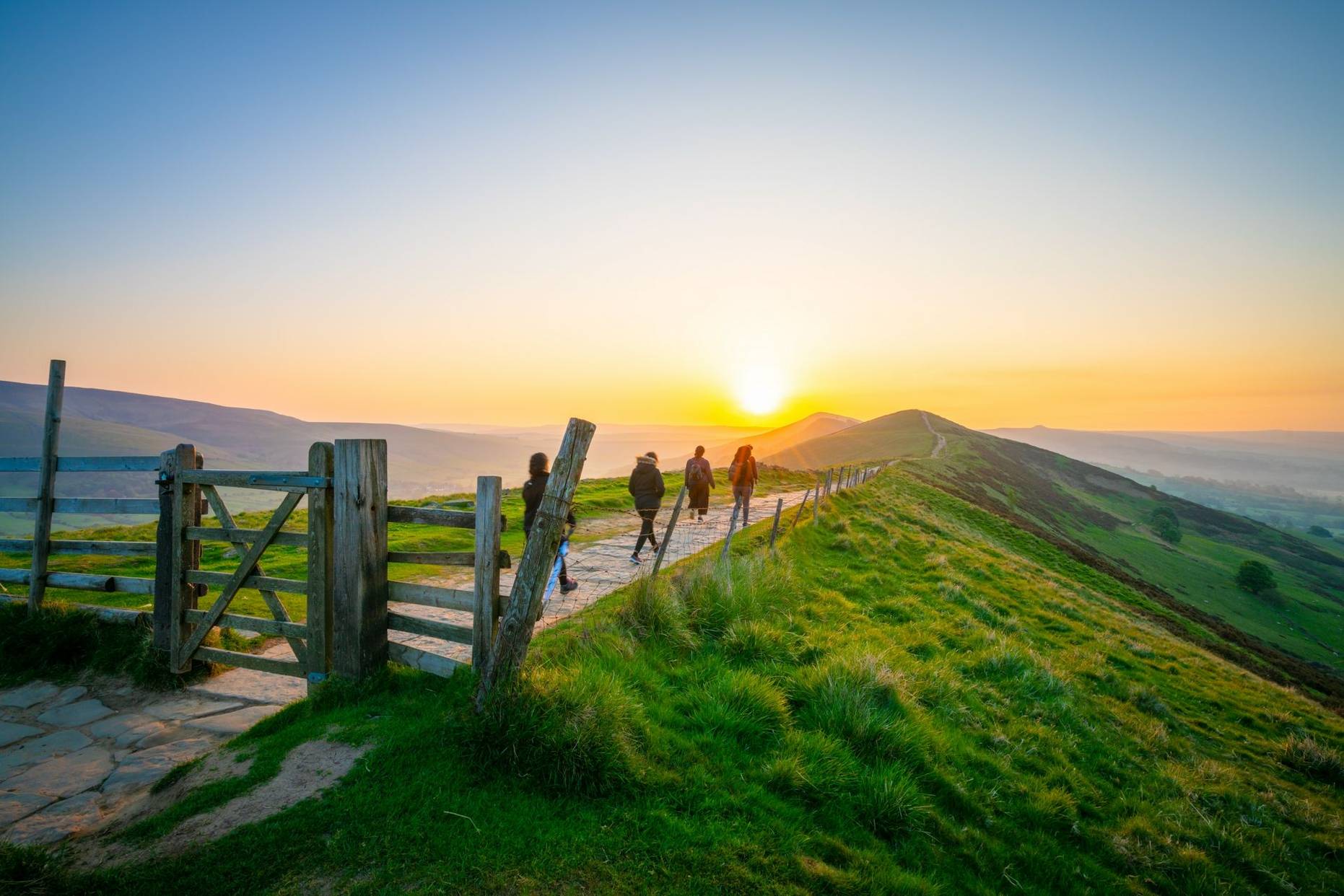
If you have access to hills or mountains, use them. Lace up your boots, put on your pack, and get out on trails regularly. Mixing longer hikes into your strength and cardio routine is the single best way to replicate the physical demands of training for the Everest Base Camp trek.
Back-to-back hiking days are especially valuable. The EBC trek involves consecutive long days with no rest in between, and your body needs to be conditioned to recover overnight and go again.
Altitude Training for Everest Base Camp
Unless you live at altitude, there’s no way to completely prepare your body for the effects of altitude on the trek. What you can do is arrive in the best physical shape possible and let your body acclimatise gradually as you ascend.
One altitude training tool worth considering is an elevation training mask like the PowerBreathe Sports Performance Plus. I used one a few times a week and I reached Everest Base Camp without altitude issues, though I can’t draw a direct line between the mask and that outcome.
The resistance these masks provide can help with:
- Increased lung capacity
- Improved oxygen efficiency
- Greater mental and physical stamina
The more important altitude principle for training for Everest: walk slowly, even when your body can push harder. The fittest trekkers are often the ones who suffer most, precisely because they move too fast and give altitude sickness a foothold.
Remember: Everest Base Camp isn’t about speed. Training helps, but once you’re on the trail, steady pacing, hydration and acclimatisation are what help your body adjust.
Your Complete Everest Training Plan
16–12 weeks before your trek: Foundation
Focus on base fitness, breaking in your boots and building general cardio.
12–8 weeks before your trek: Build
Increase your hike duration, start adding a weighted pack and include strength training around 3 times a week.
8–4 weeks before your trek: Peak
This is where you build trek-specific stamina with back-to-back long hike days, stair climber sessions and elevation mask work.
4–1 weeks before your trek: Taper
Reduce intensity, maintain frequency and prioritise rest and recovery.
Final week before your trek: Pre-trek
Keep movement light and avoid placing any new stress on your body.
Take it slowly, hydrate constantly, and enjoy the surroundings of one of the most beautiful places on earth.
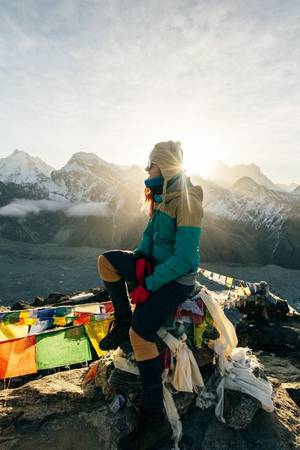
Everest Three Passes trek
- Trekking in the Himalayas doesn’t get much wilder than this.
- If you’re looking for a true Everest adventure, our 19-day Three Passes Trek is the expedition for you.
- You’ll cross Renjo La, Cho La, and Kongma La to form a challenging circuit through some of the most remote, rugged, and awe-inspiring terrain in Nepal.

 View trip