 WhatsApp us


 Best Sellers
 Bucket List Adventures
 Short Trips
 Training Weekends
 Epic Peaks
 Remote Adventures
 Hardcore Challenges
 Multi-Activity Adventures
If Kilimanjaro is on your list, getting the right travel insurance is one of the most important parts of preparing properly.
Whether you’re still researching the climb or you’ve already booked your place, it’s worth sorting this early. The right policy does not just protect you while you’re on the mountain. It can also help protect the money you have invested in your trip before you travel, in case something unexpected happens.
Because Kilimanjaro reaches 5,895m, standard travel insurance is often not enough. You usually need cover for high-altitude trekking, helicopter evacuation up to 6,000m, medical expenses, repatriation, and trip cancellation.
This guide explains what to look for, what to check before buying, and what to bring with you so you can move forward with confidence.
Kilimanjaro Insurance Requirements
What insurance do you need for Kilimanjaro?
For Kilimanjaro, your policy must cover:
- Tanzania, which is usually included under the worldwide option when getting a quote
- Trekking up to 6,000m
- Helicopter evacuation up to 6,000m
- Medical expenses
- Repatriation
- Trip cancellation
It is important that your policy clearly shows that trekking to this altitude is covered. This is often included through an adventure, activity, or extreme sports add-on rather than a standard travel insurance policy.
If you’re still planning your Kilimanjaro trek, this is one of the key things to factor in early. And if you’ve already booked, getting it sorted sooner rather than later means one less thing to worry about as the trip gets closer.
Why standard travel insurance is often not enough
Many standard travel insurance policies are built for beach holidays, city breaks, and lower-risk trips.
Kilimanjaro is different because of the altitude, the remote environment, and the potential need for emergency evacuation. That means you need to check the policy wording carefully rather than assume a normal travel insurance policy will be enough.
The key point is this: your insurance must specifically cover trekking up to 6,000m and helicopter evacuation up to 6,000m.
What altitude cover do you need for Kilimanjaro?
Your insurance must cover trekking up to 6,000m.
Kilimanjaro’s summit is 5,895m, so any policy with a lower altitude limit may not be suitable for the climb.
When you get a quote, check the altitude limit carefully. If it is not clearly stated, contact the insurer and ask for confirmation before you buy.
Does Kilimanjaro insurance need to include helicopter evacuation?
Yes. Your policy must cover helicopter evacuation up to 6,000m for serious injuries and serious altitude-related illness.
This includes:
- HAPE, which stands for high-altitude pulmonary edema
- HACE, which stands for high-altitude cerebral edema
- Severe AMS, which means acute mountain sickness or altitude sickness
For more minor altitude sickness or smaller injuries, you would usually be walked down or carried down on a trolley by porters rather than evacuated by helicopter.
That is why it is so important that your policy includes the correct emergency evacuation cover for serious cases.
Most trekkers will never need this, but it is one of those details you really do want to have right before you travel.
Effective 1st October 2026, applicable foreign visitors entering Mainland Tanzania will be required to hold valid Inbound Travel Insurance whether they enter Tanzania through airports, seaports and land borders.
You can apply through the Official NIC Inbound Travel Insurance Portal before travelling, or at the airport on arrival.
The cost is US$44 for adults, lasts up to 92 days and covers emergency medical treatment, medical evacuation, repatriation and loss of luggage. Children aged 3-17 will receive a 50% discount.
Please note, this Inbound Travel Insurance should be purchased in addition to your main travel insurance, that will cover you for all other aspects of your trip.
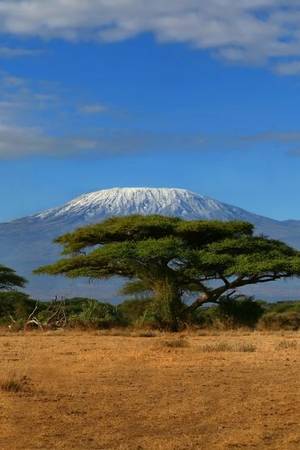
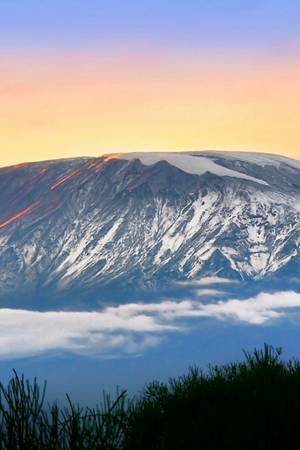
Kilimanjaro - Hut to Hut
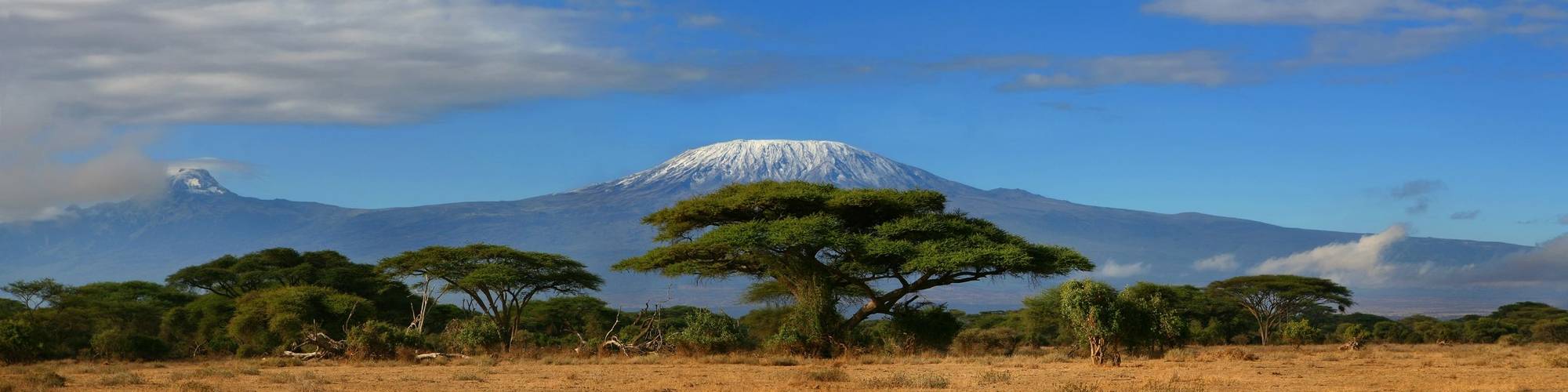
- Mount Kilimanjaro, standing at 5,895m, is Africa’s highest mountain and one of the legendary Seven Summits.
- Our unique 7-day itinerary follows the Marangu Route through Kilimanjaro’s changing landscapes to the Roof of Africa at Uhuru Peak.
- As the only route with mountain hut accommodation, Marangu offers the welcome comfort of sleeping indoors in a bed each night during the trek, rather than camping in tents.
What else should your Kilimanjaro insurance cover?
As well as altitude and helicopter evacuation cover, your policy should also include:
- Medical expenses
- Repatriation
- Trip cancellation
Trip cancellation cover is important because your insurance does not just protect you while you are on the trek. It can also help protect the money you have invested in your trip before departure if something unexpected happens and you need to cancel.
That makes it just as important for people still researching and ready to book as it is for those who already have their place secured.
What destination should you choose when getting a quote?
When getting a quote, Tanzania will usually fall under the worldwide option.
Even so, always check that Tanzania is included in the policy area before buying. Do not assume it will be covered automatically.
What documents should you bring with you?
You should bring a printed copy of your insurance certificate with you on the trip.
This should include:
- Your policy number
- Confirmation of the relevant cover
- The 24-hour emergency contact number
This is especially important if helicopter evacuation is needed, as the insurance company will usually need to approve the flight first.
Do not rely only on having the details on your phone. A printed copy is the safer option.
It’s a small job, but an important one, and getting it sorted early makes the rest of your Kilimanjaro prep feel much more straightforward.
What to check before buying Kilimanjaro travel insurance
Before you buy your policy, make sure you check all of the following:
- Tanzania is included in the destination area
- Trekking up to 6,000m is covered
- Helicopter evacuation up to 6,000m is covered
- Serious altitude illness is covered
- Medical expenses are included
- Repatriation is included
- Trip cancellation is included
- The 24-hour emergency number is easy to access
If any of these points are unclear, ask the insurer before you buy.
Insurance providers often used for Kilimanjaro
We often recommend looking at:For our UK and US trekkers, we suggest checking out Rise & Shield, our travel insurance partner, for cover for your EverTrek adventure. We’re also partnered with True Traveller, which offers another option for travel insurance.*
Kilimanjaro travel insurance checklist
Before you travel, make sure you have:
- Insurance covering Tanzania
- Trekking cover up to 6,000m
- Helicopter evacuation cover up to 6,000m
- Medical cover
- Repatriation cover
- Trip cancellation cover
- A printed copy of your insurance certificate
- The 24-hour emergency contact number
Getting ready for Kilimanjaro
If you’re still researching whether Kilimanjaro is the right challenge for you, understanding the insurance side is a smart part of the process. It gives you a clearer picture of what the trek involves and helps you prepare properly from the start.
If you’ve already booked, this is one of those jobs worth ticking off early so you can focus on the exciting part - training, planning, and getting ready for the adventure ahead.
And if you’re ready to take on Kilimanjaro, take a look at our upcoming trips and start planning your climb.
Final thoughts before your Kilimanjaro trek
Kilimanjaro is an incredible challenge, and getting the practical details right early helps you enjoy the build-up with a lot more confidence.
The main thing is to make sure your policy is built for high-altitude trekking, not just general travel. If it covers trekking up to 6,000m, helicopter evacuation, medical expenses, repatriation, and trip cancellation, you are on the right track.
If you are unsure, check the policy wording carefully before you buy and travel with a printed copy of your insurance certificate.

 View trip