WhatsApp us







 Best Sellers
 Bucket List Adventures
 Short Trips
 Training Weekends
 Epic Peaks
 Remote Adventures
 Hardcore Challenges
 Multi-Activity Adventures
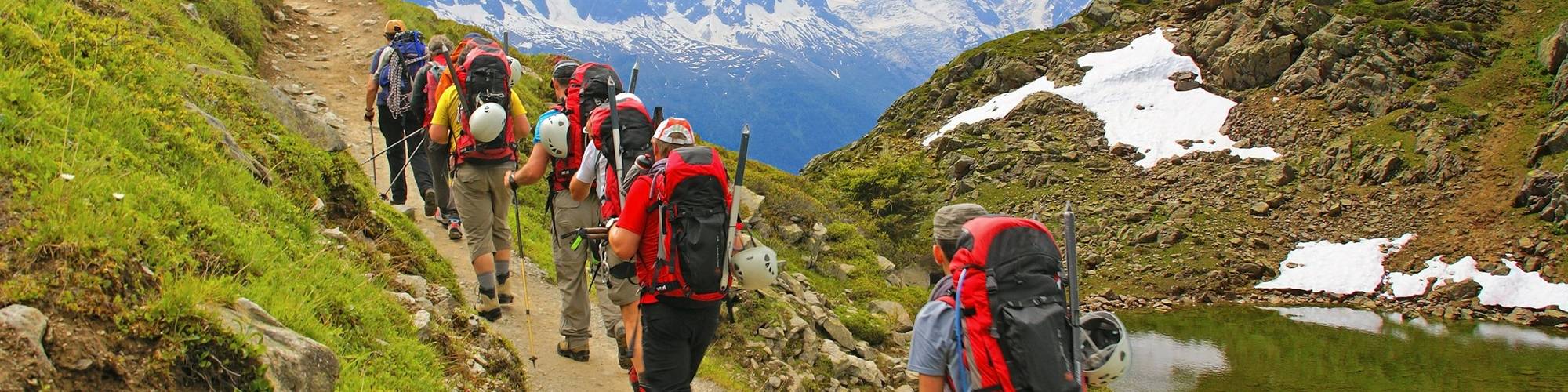
For years, adventure travel has been associated with young backpackers and gap-year travellers. But the picture is changing, with more mature travellers swapping traditional holidays for multi-day treks, mountain adventures and high-altitude challenges.
According to the Adventure Travel Trade Association, adults aged 45–64 are a key demographic within the active adventure travel market, highlighting a growing appetite for exploring the outdoors later in life. From Everest Base Camp to Kilimanjaro, more people are proving that adventure doesn’t have an age limit.
There are plenty of reasons behind this shift. For some, it’s finally having the time to travel. For others, it’s having the finances, motivation and newfound confidence to tackle an adventure they’ve always dreamed about.
So, is there really an age limit to trekking?
Is There An Age Limit To Trekking?
While individual health and preparation are important, age alone doesn’t determine whether you’re capable of taking on a particular trek. Older adults regularly take on challenging trekking adventures around the world.
Here at EverTrek, we’ve even had an 89-year-old successfully complete Kilimanjaro.
With the right preparation, appropriate training and a realistic approach to the challenge - age is nothing but a number!
Why Are More People Taking On Big Adventures In Midlife?
ABTA’s Holiday Habits 2025–26 research found that 48% of UK travellers planning an overseas trip expected to visit a country they had never visited before. It also found that 16% expected to take a lakes or mountains holiday, while 14% expected to take an adventure holiday.
As attitudes towards ageing change, so does the way people think about travel. Adventure trekking may look different at 50 than it did at 20 – but that doesn’t make it any less exciting.
Why Your 40s, 50s And 60s Could Be The Perfect Time To Trek
The old-fashioned idea that adventure travel is exclusively for the young is becoming increasingly outdated.
Modern midlifers are redefining what it means to grow older, prioritising holidays that offer more than relaxation. They want to challenge themselves, experience different cultures, spend time outdoors and return home with memories that last long after the trip has ended.For many people, adventure travel over 50 isn’t about proving anything to anyone. It’s about making the most of the time, confidence and experience they’ve gained along the way.
For some, the question was never about if they wanted to go trekking or not - it was about finding the right time.
In your younger years, life can be dominated by work, raising a family, building a career and financial commitments, meaning big travel goals can easily get pushed to the back burner.
By your 40s and 50s, circumstances can change. With children growing up, careers becoming more established and, for some people, greater financial freedom, there can finally be the time and resources to turn a long-held travel dream into reality.
Why Take On A Bucket-List Trek In Midlife?
These milestones can become turning points where adults feel a strong desire to step outside their comfort zone and achieve something that they can look back on.
Taking on an iconic trail provides a powerful mental reset, a way to celebrate a new decade, and a tangible method for proving to yourself exactly what your body is capable of achieving.
Are You Fit Enough To Go Trekking In Your 50s?
This is one of the most important questions to ask – and the answer isn’t determined by age alone.
One of the biggest concerns people have about trekking over 50 is whether their body can handle the challenge. But remember: getting older doesn’t mean getting less adventurous. In fact, mature trekkers often have a secret weapon – experience. Knowing how to pace yourself, listen to your body and stay mentally strong when the going gets tough can be just as valuable as being strong physically. It’s not always the fastest person who gets to the finish line – it’s the one who keeps putting one foot in front of the other.
Trekking isn’t a race, particularly when you’re heading to altitude. Finding a steady pace, managing your energy and listening to your body can make a huge difference over several days on the trail.
So, can you trek in your 40s, 50s and 60s? Absolutely. You don’t need to be the fastest person in the group or have an athlete’s fitness level. What matters is building the cardiovascular fitness and muscular endurance to keep moving comfortably for long days, while giving your body the time it needs to adapt and recover.
Whether you’re tackling Kilimanjaro, Everest Base Camp or another big adventure, the goal isn’t to race to the top. It’s to arrive ready for the challenge - and enjoy the journey along the way.
How To Train For A Trek In Your 40s, 50s And Beyond
Trekking preparation over 50 isn’t about trying to turn yourself into an elite athlete overnight.
It’s about building your fitness gradually and preparing your body for what you’re actually going to ask it to do.
Build Strong Legs
Build Your Cardiovascular Fitness
Train For The Trek You're Actually Doing
Every trek is different, so your preparation should reflect your adventure.
Training for Kilimanjaro will involve preparing for sustained uphill walking and long days on your feet, while Everest Base Camp requires you to be comfortable with consecutive days of trekking at altitude.
The goal isn’t to become the fittest person in the group. It’s to arrive at the start of your adventure feeling prepared, confident and ready to enjoy it.
Practise Walking With Your Backpack And Shoes
As your trek gets closer, practise walking with the backpack you’ll take with you. Start with a lighter load and gradually increase the weight so your body can become accustomed to carrying it over longer distances.
It’s also worth wearing the shoes or boots you’ll use on your trek during training. This gives you time to make sure they’re comfortable, supportive and suitable for long days on the trail before you set off.
Prioritise Recovery
Recovery becomes an increasingly important part of training as we get older. Rest days give your muscles and joints time to recover and allow you to build your fitness without constantly pushing your body to its limit.
Don’t be tempted to cram months of training into a few weeks. A gradual, consistent approach is much more sustainable.
What Are The Best Treks For People Over 50?
There’s no single “best” trek for people over 50. The right adventure will depend on your fitness, previous hiking experience and the type of experience you’re looking for.
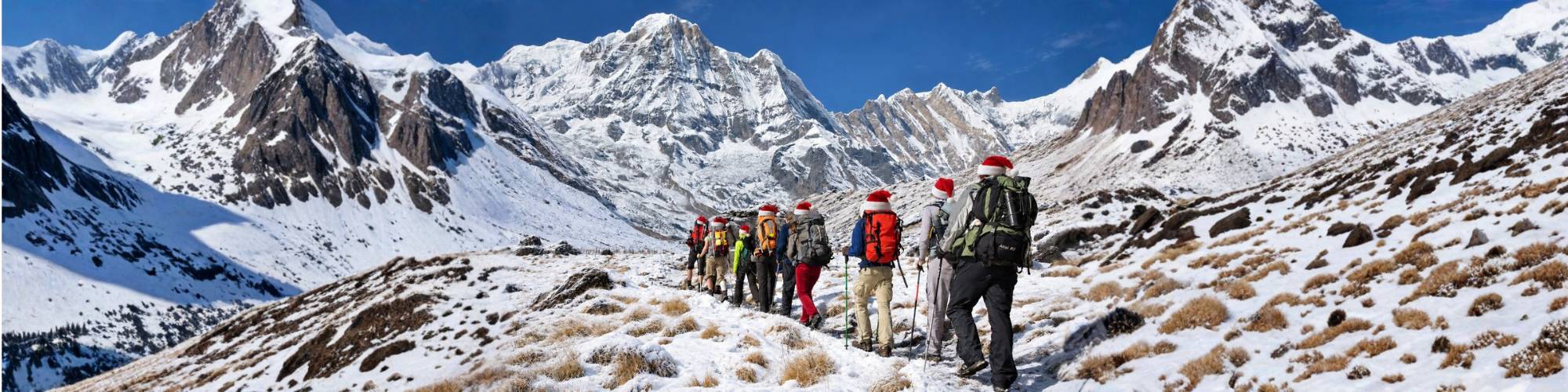
Kilimanjaro is an incredible challenge for those looking to stand on the roof of Africa, while Everest Base Camp combines multi-day trekking with spectacular Himalayan scenery, Sherpa culture and views of some of the world’s highest mountains.
If you’re looking for an adventure that combines trekking with history and culture, Machu Picchu and the surrounding trails in Peru offer another unforgettable option.
Whichever adventure you choose, preparation is key. The aim isn’t to find the easiest trek – it’s to find an adventure that matches your abilities, interests and ambitions.
Your Next Big Adventure Could Be Closer Than You Think
Your 40s, 50s, 60s and beyond can be the perfect time to take on a trekking adventure. With the right preparation, training and mindset, age doesn’t have to stand between you and the adventure you’ve always dreamed of.
Whether you’re looking for a Kilimanjaro trek, dreaming of reaching Everest Base Camp, or want to explore the trails around Machu Picchu, there’s no need to wait for the “perfect” time. The perfect time could be now.
Trekking in your 40s and 50s isn’t about proving that you’re as fit as you were in your 20s. It’s about challenging yourself, experiencing new places and discovering what you’re capable of. With gradual training, sensible preparation and a willingness to listen to your body, you can take on some of the world’s most incredible trekking adventures.
At EverTrek, we’ve seen first-hand that adventure doesn’t have an expiry date. From first-time trekkers to experienced hikers, people of all ages continue to step outside their comfort zones and achieve things they never thought possible.
So, if that bucket-list trek has been sitting on your list for years, maybe it’s time to stop saying “one day” and start planning it.
Your next adventure is waiting. Are you ready to take the first step?
FAQs
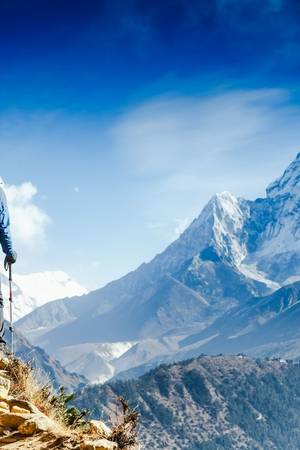
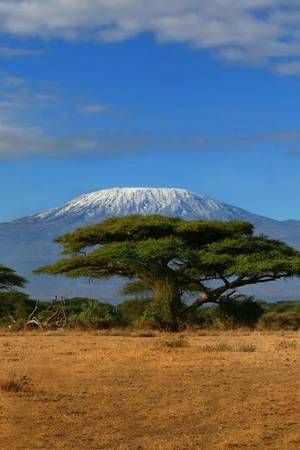

Kilimanjaro - The Long Way
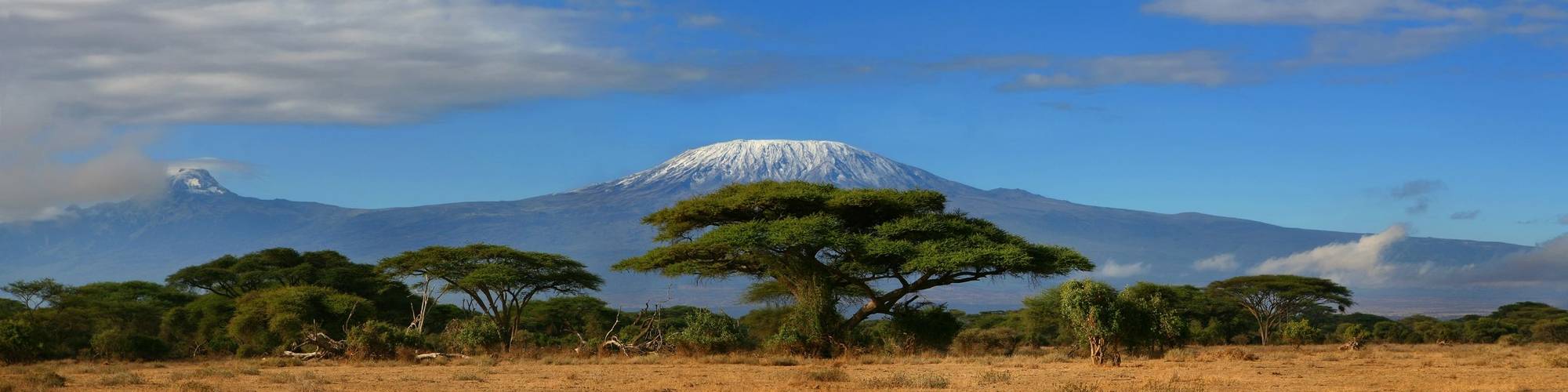
- As Africa’s highest peak and one of the legendary Seven Summits, it’s no wonder Mount Kilimanjaro is on the bucket list for trekkers and mountaineers alike.
- Challenging and rewarding, trekking to the Kilimanjaro summit is a truly memorable experience.
- Our Kilimanjaro expedition takes you along the Lemosho Route.
Machu Picchu via the Inca Trail - The Way of the Incas
- The Inca Trail to Machu Picchu trek takes you on a journey through ancient legends, cloud forest magic, and rugged Andean beauty.
- This incredible 9-day hike is a bucket list must for any thrill-seeker craving a once-in-a-lifetime challenge that ends at one of the world’s greatest wonders.
- As you walk in the footsteps of the Inca, past crumbling ruins and misty mountain passes, you’ll feel a sense of adventure that stays with you long after the trek ends.

 View trip