WhatsApp us







 Best Sellers
 Bucket List Adventures
 Short Trips
 Training Weekends
 Epic Peaks
 Remote Adventures
 Hardcore Challenges
 Multi-Activity Adventures
Your Kilimanjaro Cash Guide
One of the most common questions we get before a Kilimanjaro trek is:
“How much cash do I actually need to bring?”
It’s a simple but important question: how much cash should you actually have with you when you land in Tanzania?
The short answer is: you’ll need cash mainly for crew tips, plus a bit of spending money for drinks, snacks, souvenirs and personal extras before or after the trek.
Most of your big trip essentials are already covered when you travel with EverTrek, but it’s still worth planning your cash properly so you’re not trying to find an ATM at the last minute, panic-buying dollars at the airport, or awkwardly waving a card at someone who very much needs actual notes.
So, let’s break it down.
Jump to all you need to know:
- 1. Quick Answer: How Much Cash Should I Bring To Kilimanjaro?
- 2. What's Already Included In Your Kilimanjaro Trek?
- 3. Tipping Your Guides And Porters
- 4. Should I Bring US Dollars Or Tanzanian Shillings?
- 5. Can I Use My Card or Get Cash Out In Tanzania?
- 6. How Much Spending Money Should I Bring Before And After The Trek?
- 7. Do I Need Cash On The Mountain Itself?
- 8. Simple Kilimanjaro Cash Checklist
Quick Answer: How Much Cash Should I Bring To Kilimanjaro
You don’t need money for day-to-day spending on the mountain itself, but it’s worth getting your cash sorted before the trek starts so you’re not rushing around at the last minute.
What’s Already Included In Your Kilimanjaro Trek?
When you’re trekking Kilimanjaro with EverTrek, your main trekking essentials are already taken care of.
Your accommodation, meals on the mountain, expert guides, porters, permits and in-country trek logistics are included as part of your trip. That means you’re not paying for food each day on the mountain or handing over cash every time a tent appears, which is always lovely.
We recommend bringing some extra spending money for anything you’d like to buy before, during or after your trek. Exactly how much you’ll need depends on your personal spending habits.
Remember - You should also make sure you have cash or card available for any pre-arranged extras, such as rental items, additional hotel nights or other additions you’ve organised with EverTrek before you travel.
In simple terms:
Your trek is organised. Your spending money is personal. Your tips need planning.
Tipping Your Guides And Porters
Your mountain crew work incredibly hard. Guides, assistant guides, cooks and porters are the people who help make the whole experience possible. They carry equipment, prepare meals, check on your wellbeing, manage the pace, support the group and somehow still manage to smile when your legs are behaving like overcooked noodles.
As a rough guide, EverTrek recommends budgeting around 10% of your trip cost for crew tips.
This is not something you need to pay upfront, but it gives you a clear amount to plan around so you’re prepared at the end of the trek.
Tips are usually given at the end of your trek and handed to the chief guide, who distributes them fairly among the mountain crew. Your EverTrek team will give you guidance before you travel, so you know what to expect and can arrive with the right cash ready.
The key thing is simple: plan your tipping cash before you go, rather than leaving it as a last-minute job in Tanzania.
Should I Bring US Dollars Or Tanzanian Shillings?
A mix is usually best.
For Kilimanjaro, US dollars are commonly used for crew tips and some tourism-related payments.
For US dollars, bring clean, crisp notes with no rips, marks or damage. At the time of writing, US dollar notes usually need to be from 2009 onwards, as older notes may not be accepted locally.
Tanzanian Shillings are useful for smaller local purchases, especially in shops, towns and markets before or after your trek.
Tanzanian Shillings are a closed currency, which means you usually can’t get them before you travel. You’ll normally need to exchange money in Tanzania, withdraw cash from an ATM, or you may receive Tanzanian Shillings as change when paying locally, even if you pay in US dollars.
A simple approach is:
- Bring US dollars for your main crew tip.
- Bring Tanzanian Shillings for smaller local spending.
- Bring a card as backup where card payments are accepted.
- Bring some cash for your visa if sorting this on arrival.
You don’t need to overthink it, but you do want to avoid arriving with only a card and a hopeful smile.
TOP MONEY SAFETY TIPS
Keep your cash in a waterproof money pouch
Split your money between two places
Avoid carrying large amounts of cash
Smaller notes over large notes
Can I Use My Card Or Get Cash Out In Tanzania?
Yes, cards are accepted in some places in Tanzania, especially in larger hotels, more established shops, restaurants and tourism businesses.
You can also usually find ATMs in larger towns and cities, including places like Moshi or Arusha, depending on your itinerary.
But you should not rely on cards or ATMs for everything.
Card machines may not always work. Smaller businesses may not accept cards. ATMs can be out of service, withdrawal limits can be lower than expected, and your bank may occasionally block a transaction if it thinks something looks unusual.
This can include airport card machines if you’re sorting your visa on arrival, so it’s sensible to have cash available as a backup.
Before you travel, it’s worth doing three simple things:
- Tell your bank you’re travelling.
- Check your card fees for overseas spending.
- Bring a backup card if you have one.
Cards and ATMs are helpful, but cash is still important for many practical parts of the trip.
Especially tips.
It’s much better to arrive with your main cash already sorted, especially your tipping money. You can then use cards or ATMs for backup or additional spending money if needed.
Sort your tipping cash before you travel. Treat cards and ATMs as backup, not the plan.
How Much Spending Money Should I Bring Before And After The Trek?
This depends on what kind of traveller you are.
Some people barely buy anything beyond a celebratory drink and a fridge magnet.
Others discover, quite suddenly, that they absolutely need three T-shirts, locally made coffee, a carved giraffe, a bracelet for every family member and a large soft drink after summit night that tastes like the best thing they’ve ever consumed.
As a rough guide, bring spending money for things like:
- Drinks in town
- Snacks before or after the trek
- Souvenirs and gifts
- Laundry, if available and needed
- Meals not included in your itinerary
- Optional activities or extra time in Tanzania
- Tips for hotel staff, drivers or local services, if appropriate
If you’re travelling with EverTrek, check your itinerary so you know which meals are included and where you’ll have free time. That will give you a much better idea of what you personally might spend.
If you’re the “I’ll probably buy nothing” type, you’ll need less.
If you’re the “I accidentally bought half the gift shop” type, plan accordingly.
No judgement. We’ve seen both.
Do I Need Cash On The Mountain Itself?
Not for day-to-day spending.
Once you’re on the mountain, your meals, camping arrangements and trek support are taken care of. You’re not popping into shops each day or paying for things as you go.
The main time you may want money around the mountain is when you return to the gate at the end of the trek. There may be a chance to buy a drink, beer or souvenir from the gift shop if you fancy it.
For that reason, it’s sensible to keep a small amount of cash safely with you, even though you won’t need it for day-to-day spending on the mountain.
US dollars are usually best for your main crew tips, while Tanzanian Shillings can be useful for smaller local purchases before or after the trek.
Your main tipping money should be kept secure and organised ready for the end of the trek, rather than floating around loose in your day pack next to your snacks, gloves and emergency jelly babies.
Keep your money somewhere dry, safe and separate. A waterproof pouch or small dry bag can be useful, especially because mountain weather likes to keep things interesting.
Simple Kilimanjaro Cash Checklist
Before you travel, make sure you have:
- Clean, undamaged US dollar notes from 2009 onwards
- Cash available for your visa if sorting this on arrival
- Cash or card for any pre-arranged rental items or extra hotel nights
- Some Tanzanian Shillings once you’re in Tanzania for local spending
- Enough US dollars for guide & porter tips - around 10% of your trip cost
- A debit or credit card for backup
- A safe place to store cash during the trip
- A rough personal spending budget
- Your bank notified of your travel plans
That’s it.
You don’t need to obsess over every possible purchase. You just need a sensible plan so money is one less thing to think about when your actual focus should be on enjoying the adventure.
Frequently Asked Questions
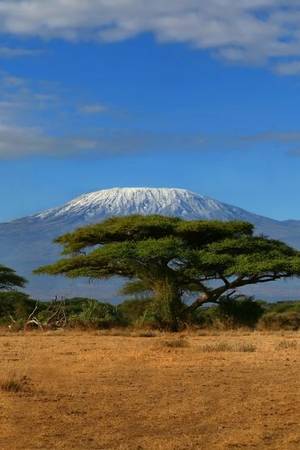
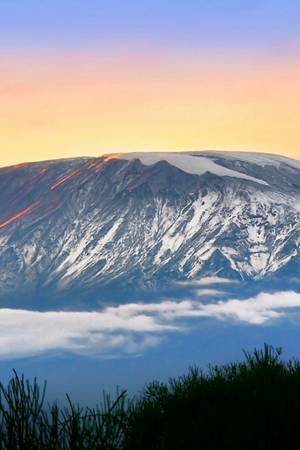
Kilimanjaro - Hut to Hut
- Mount Kilimanjaro, standing at 5,895m, is Africa’s highest mountain and one of the legendary Seven Summits.
- Our unique 7-day itinerary follows the Marangu Route through Kilimanjaro’s changing landscapes to the Roof of Africa at Uhuru Peak.
- As the only route with mountain hut accommodation, Marangu offers the welcome comfort of sleeping indoors in a bed each night during the trek, rather than camping in tents.

 View trip