 WhatsApp us


 Best Sellers
 Bucket List Adventures
 Short Trips
 Training Weekends
 Epic Peaks
 Remote Adventures
 Hardcore Challenges
 Multi-Activity Adventures
What Every Trekker Needs To Know About Water Safety
Staying hydrated and having access to safe drinking water are essential when hiking and trekking, particularly at high altitude.
But how do you find clean drinking water when you’re miles from the nearest shop?
Whether you’re trekking to Everest Base Camp, climbing Kilimanjaro or hiking remote mountain trails, having a reliable way to filter water can make all the difference.
That’s why we’re partnered with Water-to-Go. Their innovative filtered water bottles make accessing drinking water on the move easier, while helping reduce reliance on single-use plastic bottles and the waste they create. So you can spend less time worrying about refills and more time enjoying your adventure!
Here’s everything you need to know about water safety, hydration and why we recommend adding a Water-to-Go bottle to your trekking kit.
Water-to-Go: A Smarter Way To Stay Hydrated
When you’re spending several hours hiking each day, having a convenient way to access drinking water makes a real difference.
And that's exactly where Water-to-Go comes in!
Their reusable filtered water bottles combine innovative three-in-one filtration technology, making them a practical option for hiking, trekking and camping.
Rather than relying entirely on single-use plastic bottles or carrying separate purification equipment, Water-to-Go allows you to fill your bottle with an appropriate freshwater source and filter the water as you drink.
For EverTrekkers heading to their next adventure, this is a particularly useful piece of equipment to consider.
Why Is Hydration Important When Hiking And Trekking At High Altitude?
Staying hydrated is essential when trekking for several hours each day or ascending to higher elevations.
During a long day on the trail, you’ll lose fluids through sweating, making it really important to replace them regularly.
At higher altitudes, hydration becomes even more important. The air is thinner and your breathing rate can increase, meaning you lose additional moisture through respiration.
Not drinking enough can lead to dehydration, with symptoms including:
- Headaches and dizziness.
- Increased tiredness and reduced energy.
- Dark yellow urine.
- Dry mouth and increased thirst.
- Reduced physical performance.
It’s worth remembering that although staying hydrated is essential at altitude, drinking additional water does not prevent altitude sickness. Altitude sickness can affect anyone, regardless of fitness or hydration levels, so it’s important to understand the symptoms, follow your guide’s advice and allow your body time to acclimatise.
Ultimately, dehydration can make an already challenging trek feel considerably harder - so keeping your fluids up is a must in the world of trekking!
How Do You Get Safe Drinking Water While Trekking?
Access to drinking water varies depending on your destination.
On popular trekking routes such as Everest Base Camp and Toubkal, you’ll often find teahouses or small shops where you can purchase bottled water or refill your bottle with boiled water. On more remote trails, however, access to shops and treated water supplies can be limited.
You might also encounter natural water sources such as mountain streams and rivers. Although these can look clean, they aren’t necessarily safe to drink. Water can contain bacteria, viruses and parasites from human or animal waste, even when it’s completely clear.
This is exactly where having a reusable filtration bottle can make a real difference.
Reducing Single-Use Plastic On Your Trek
Think about how many bottles of water you might get through on a multi-day trek.
When you’re walking for several hours each day, particularly in warmer conditions or at altitude, you’ll need to refill regularly. Buying disposable plastic bottles every day can quickly add up, leaving you with a surprising amount of plastic waste by the end of your adventure.
In remote mountain environments, managing waste isn’t always straightforward. Plastic bottles can be difficult to dispose of responsibly, and waste management facilities are often limited.
That’s why taking a reusable filtered water bottle is such a worthwhile addition to your trekking kit.
With a Water-to-Go bottle, you can refill from suitable freshwater sources and filter the water as you drink, helping reduce your reliance on single-use plastic throughout your adventure.
Whether you’re passing through Himalayan villages, heading for the summit of Kilimanjaro or exploring the trails around Machu Picchu, looking after the landscapes we travel so far to experience should be part of every adventure.
Every refill is an opportunity to avoid another disposable bottle. It’s a small change that can make a difference when we’re all doing our bit to protect the places we love exploring.
Why We Recommend Water-to-Go For Trekking
From early morning starts to reaching for your bottle halfway up a mountain, having convenient access to drinking water is an essential part of any trekking adventure.
That’s why we’ve partnered with Water-to-Go.
Their reusable filtered water bottles offer a practical way to access drinking water from suitable freshwater sources. With their three-in-one filtration technology, the filters are independently tested and designed to remove up to 99.9999% of bacteria and up to 99.98% of viruses, parasites and other specified microbiological contaminants.
For multi-day adventures where access to treated drinking water can vary, having a reusable filtration bottle gives you another convenient option for staying hydrated.
And there’s an added benefit: fewer single-use plastic bottles means less waste along the way.
It’s a simple piece of kit that can make a real difference to your trekking experience.
How Does Water-to-Go Work?
Water-to-Go uses a unique three-in-one filtration system, combining three technologies within one filter:
- Mechanical filtration: Physically traps contaminants within the filter membrane.
- Electropositive filtration: Uses a positive electrical charge to attract and capture microscopic contaminants.
- Activated carbon: Helps reduce unwanted tastes and odours.
Unlike many conventional water filters, which aren’t designed to remove viruses, Water-to-Go works its filtration magic and removes up to 99.9999% of bacteria and up to 99.98% of viruses, parasites, cysts and other specified microbiological contaminants - helping to wash away some of the worries that come with finding safe drinking water on the trails!
Where Can You Refill Your Water-to-Go Bottle on Your Trek?
Knowing how to use a filtered water bottle is one thing, but what does getting drinking water actually look like when you’re out on the trail?
Water-to-Go bottles are designed to filter freshwater from suitable non-saltwater sources, giving you another option for accessing drinking water during your adventure.
Here’s what you can typically expect on three of our most popular treks.
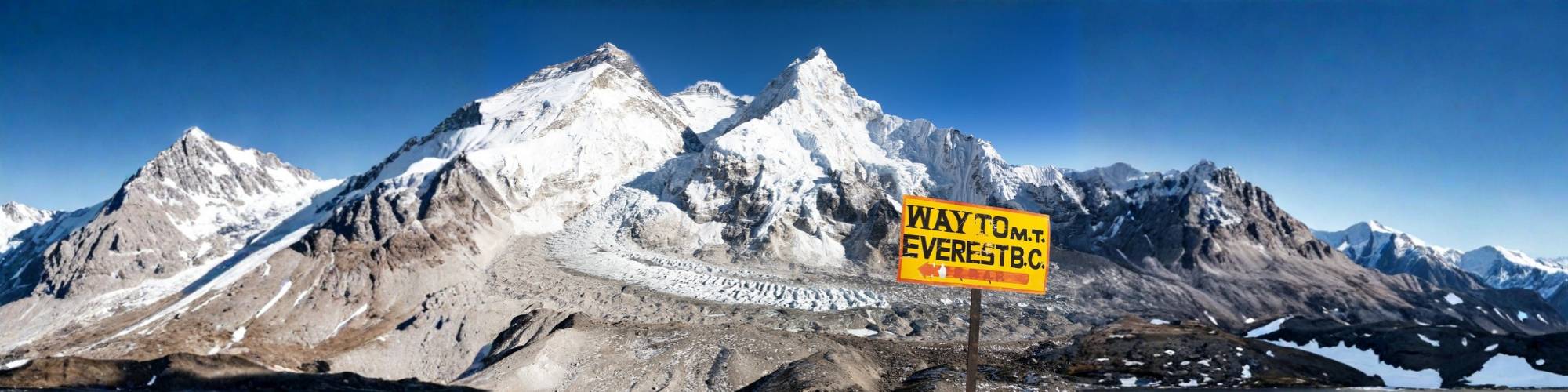
Everest Base Camp, Nepal
Along the Everest Base Camp route, you’ll pass through traditional Sherpa villages and stay in teahouses, where boiled drinking water is commonly available to purchase.
You’ll have opportunities to refill your reusable bottle at teahouses before setting off each morning. Where suitable untreated freshwater is available, your Water-to-Go bottle provides an additional convenient way to access filtered drinking water along the route.
Kilimanjaro, Tanzania
Climbing Kilimanjaro involves long days on the mountain, with early starts and several hours of walking.
Your trekking team will organise drinking water supplies throughout the expedition. A Water-to-Go bottle can be a useful addition to your kit, allowing you to filter suitable freshwater sources where available and permitted.
Machu Picchu, Peru
On the Inca Trail, you’ll trek through the stunning landscapes of the Peruvian Andes, staying at designated campsites along the route.
Drinking water arrangements are organised by your trekking team, giving you opportunities to refill your reusable bottle at designated points. Your Water-to-Go bottle can provide an additional filtration option where suitable freshwater is available.
A Few Things to Remember
- Water-to-Go filters are designed for freshwater, not saltwater.
- Avoid visibly polluted or heavily sedimented water.
- Always check that your chosen water source is suitable and follow the manufacturer’s instructions.
- Plan your refills ahead of time and carry enough water for the day’s walking.
5 Tips For Staying Hydrated During Your Trek
Having access to safe drinking water is one thing; making sure you’re drinking enough is another!
So, here are five simple ways to stay hydrated throughout your adventure:
- Start your day hydrated: Have a drink with breakfast before setting off.
- Drink regularly: Take regular drinks throughout the day rather than waiting until you’re extremely thirsty.
- Keep your bottle accessible: Store it somewhere easy to reach so you can drink while walking.
- Plan your refills: Know where you can access safe drinking water along your route.
- Consider electrolytes: On particularly long or strenuous days, electrolytes can help replace sodium and other minerals lost through sweating.
Ready To Give Your Trekking Kit An Upgrade?
Stay hydrated, reduce single-use plastic and enjoy greater peace of mind on the trail with a Water-to-Go filtration bottle.
And remember - you can enjoy 15% off using code evertrek15.
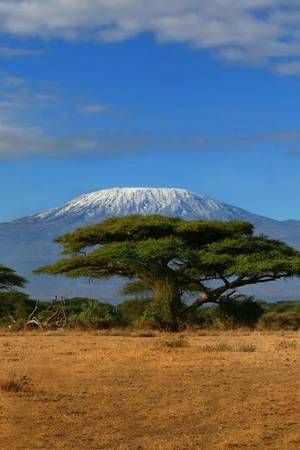

Kilimanjaro - The Long Way
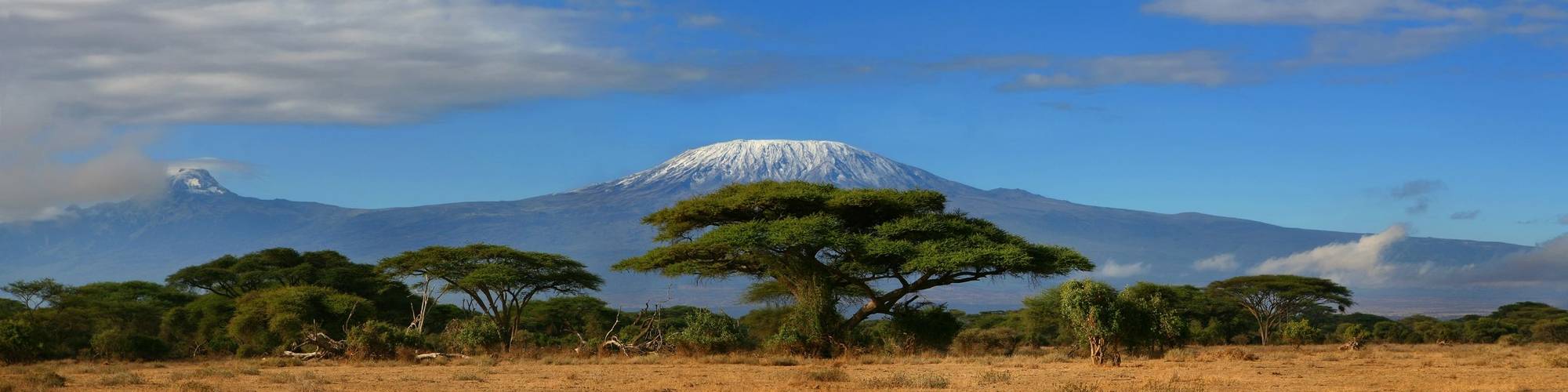
- As Africa’s highest peak and one of the legendary Seven Summits, it’s no wonder Mount Kilimanjaro is on the bucket list for trekkers and mountaineers alike.
- Challenging and rewarding, trekking to the Kilimanjaro summit is a truly memorable experience.
- Our Kilimanjaro expedition takes you along the Lemosho Route.
Machu Picchu via the Inca Trail - The Way of the Incas
- The Inca Trail to Machu Picchu trek takes you on a journey through ancient legends, cloud forest magic, and rugged Andean beauty.
- This incredible 9-day hike is a bucket list must for any thrill-seeker craving a once-in-a-lifetime challenge that ends at one of the world’s greatest wonders.
- As you walk in the footsteps of the Inca, past crumbling ruins and misty mountain passes, you’ll feel a sense of adventure that stays with you long after the trek ends.

 View trip
