WhatsApp us







 Best Sellers
 Bucket List Adventures
 Short Trips
 Training Weekends
 Epic Peaks
 Remote Adventures
 Hardcore Challenges
 Multi-Activity Adventures
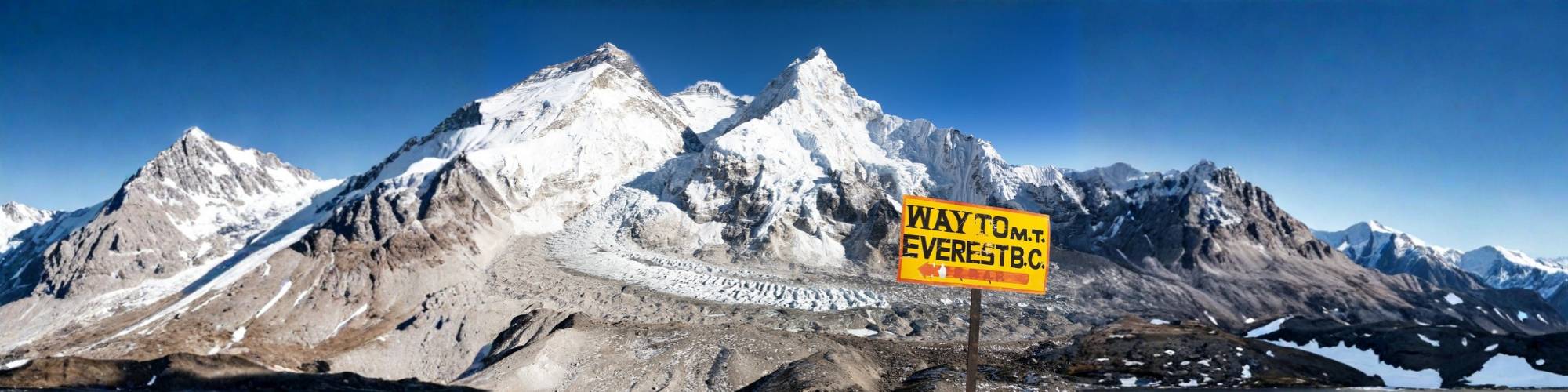
When you think of Mount Everest, you probably picture towering Himalayan peaks, vast glaciers and the legendary camps used by climbers attempting to reach the world’s highest summit.
But if you’ve been researching the Everest Base Camp trek, you might wonder: why doesn't EverTrek trek to Camps 1 and 2 on Everest?
The answer comes down to safety, terrain and the difference between trekking to Everest Base Camp and climbing Mount Everest.
Here’s what you need to know about the route beyond Everest Base Camp and why our 15-day trek focuses on reaching Base Camp itself.
What’s The Difference Between Everest Base Camp, Camp 1 And Camp 2?
Although they’re all part of the same mountain, these camps serve very different purposes.
The key difference? Everest Base Camp is a trekking destination, while Camps 1 and 2 are part of the technical climbing route to Everest’s summit. Reaching them requires a different level of preparation, specialist equipment and mountaineering support.
The Khumbu Icefall Is Extremely Dangerous
The biggest obstacle between Everest Base Camp and Camp 1 is the Khumbu Icefall, one of the most hazardous sections of the standard Everest climbing route.
The icefall is a constantly moving glacier filled with deep crevasses, towering blocks of ice and unstable sections that can shift or collapse without warning. Climbers typically navigate the terrain using fixed ropes and ladders installed along a prepared route.
Even with these precautions, the icefall remains dangerous. Its constantly changing conditions mean that crossing it involves risks you simply don’t encounter on the established trekking trails leading to Everest Base Camp.
Going beyond Base Camp isn’t just a case of walking a little further. It means entering a challenging glacial environment that requires specialist preparation.
The Altitude Makes Everything More Challenging
Everest Base Camp sits at 5,364m above sea level. Camp 1 is around 600m higher, and Camp 2 sits at approximately 6,400m.
At these elevations, atmospheric pressure is much lower than at sea level, meaning less oxygen is available with each breath. This places considerable stress on the body and increases the risk of altitude-related illness.
At EverTrek, our Everest Base Camp trek includes two dedicated acclimatisation days in Namche Bazaar and Dingboche. These give your body valuable time to adjust to the increasing altitude. Our itinerary also includes active acclimatisation hikes, including an ascent towards Nangkartshang Peak, helping prepare you for the demands of trekking at high altitude.
The route above Base Camp demands additional mountaineering experience, careful monitoring and the ability to respond to potentially serious medical problems in a remote mountain environment.
Being fit enough to trek to Base Camp doesn’t automatically mean you’re prepared for the demands of climbing above it.
Camps 1 And 2 Require A Different Kind Of Expedition
Beyond Everest Base Camp, the route becomes increasingly technical. After crossing the Khumbu Icefall to reach Camp 1, climbers continue through the Western Cwm, a high-altitude glacial valley, on their way to Camp 2.
Navigating this route calls for advanced climbing techniques, high-altitude experience and carefully coordinated expedition logistics. Climbers must also contend with extreme cold, unpredictable weather and the challenges of operating in a remote mountain environment.
These conditions make the journey to Camps 1 and 2 a mountaineering expedition rather than an extension of a traditional trek. At EverTrek, we focus on helping you experience the extraordinary landscapes of the Everest region via established trekking trails, taking you to Everest Base Camp without venturing into the technical climbing terrain beyond it.
Do You Still Get Views Of Everest Without Visiting Camps 1 And 2?
Absolutely! You don’t need to climb higher to appreciate the scale and beauty of Everest.
Our trek takes you through the heart of the Khumbu region, past traditional Sherpa villages, suspension bridges and the iconic Tengboche Monastery. Along the way, you’ll enjoy spectacular views of Everest, Ama Dablam, Lhotse and the surrounding Himalayan peaks.
The highlight is reaching Everest Base Camp itself at 5,364m, a remarkable achievement after days of trekking through the mountains.
And if you want to see Everest from an even more impressive vantage point, our itinerary also includes an optional sunrise hike to Kala Patthar (5,550m). It’s one of the most famous viewpoints for panoramic views of Everest and the surrounding peaks.
You don’t have to climb Everest to have an unforgettable Everest adventure.
Ready To Trek To Everest Base Camp?
With Camps 1 and 2 beyond the scope of a traditional Everest Base Camp trek, we focus on what makes this journey so special: the challenge of high-altitude trekking, the culture of the Khumbu region and the unforgettable moment you reach Everest Base Camp.
It’s a serious challenge, a huge personal achievement and a view worth every step!
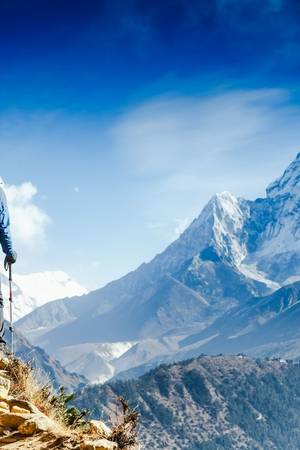
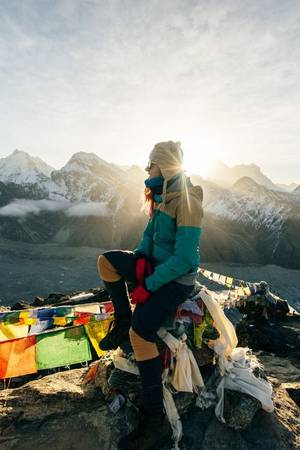
Everest Base Camp Via Gokyo Valley
- This trek package is more than seeing Everest from a different angle.
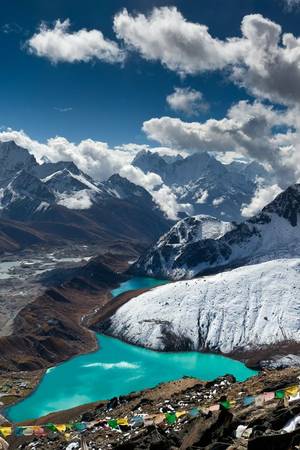
- Trekking to Everest Base Camp via Gokyo Valley takes you beyond the classic route, through peaceful Sherpa villages, past the stunning turquoise lakes of Gokyo, and up to the breathtaking viewpoint of Gokyo Ri.
- You'll cross the dramatic Cho La Pass before rejoining the main trail to Base Camp.
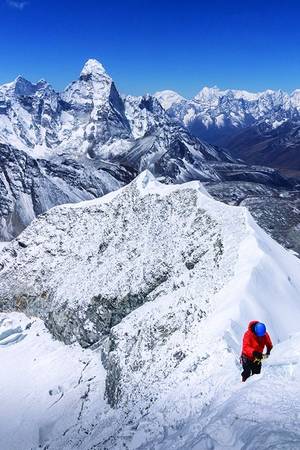
Everest Three Passes trek
- Trekking in the Himalayas doesn’t get much wilder than this.
- If you’re looking for a true Everest adventure, our 19-day Three Passes Trek is the expedition for you.
- You’ll cross Renjo La, Cho La, and Kongma La to form a challenging circuit through some of the most remote, rugged, and awe-inspiring terrain in Nepal.
Ultimate Island Peak and Everest Base Camp Expedition
- This is the full trekking Himalayan experience, offering an epic loop through the Khumbu region.
- This Island Peak and Everest Base Camp trek throws in everything from Gokyo’s glacial lakes to the legendary passes of Cho La and Kongma La.
- After ticking off Everest Base Camp, you’ll swap trekking poles for ice axes as you rope up for the ultimate finale: a climb to the summit of Island Peak at 6,189m.

 View trip