 WhatsApp us


 Best Sellers
 Bucket List Adventures
 Short Trips
 Training Weekends
 Epic Peaks
 Remote Adventures
 Hardcore Challenges
 Multi-Activity Adventures

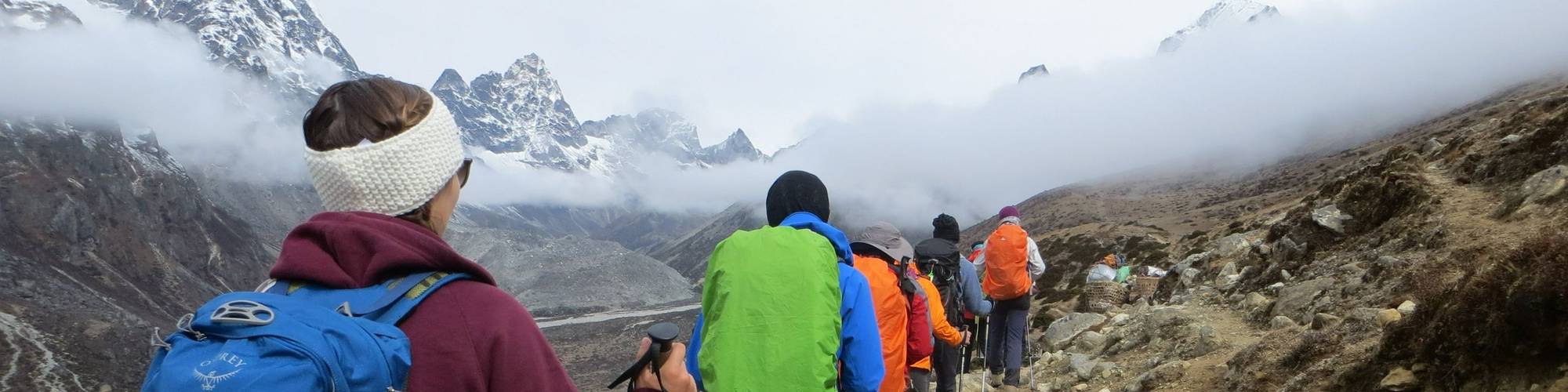
When you step into an outdoor clothing shop and start to feel like an excited child walking into a sweet shop, it’s good to know what to look out for before you end up spending your life savings on its entire contents.
Depending on what hiking equipment you currently own, you might only need to top up on a few items. If it’s your first mountain adventure, however, you may need to stock up on the essentials.
Whatever your hiking experience, we’ve put together a comprehensive hiking equipment list to get you ready for your Everest Base Camp trek — complete with cost estimates.
Read on for all you need to know about vital equipment for hiking in Nepal, and how much you’ll need to budget.
What hiking equipment will you need to climb Everest Base Camp?
- Safety
- Comfort
- Warmth
- Endurance
- Efficiency
- Acclimatisation
- Weather adaptability
- Emergency preparation
Clothing:
- Waterproof jacket
- Insulated jacket
- Base layer top
- Trekking trousers
- Technical t-shirt
- Hiking socks
- Leggings
- Hiking boots
- Trekking shorts
- Fleece mid-layer
Accessories and other equipment:
- Sleeping bag
- Mountain sunglasses
- Waterproof gloves
- Hydration reservoir
- Trekking poles
- Warm beanie
- Water bottle
- Head torch
- Daypack
Special deals for EverTrekkers
To access your Cotswold Outdoor discount, you can use an offer code found in the EverTrekkers members' area. You’ll be able to join the members' area once you’ve booked your Everest Base Camp trek.
How much does hiking equipment for an Everest Base Camp trek cost?
We understand that getting all your hiking equipment for the Everest Base Camp trek can add up. Our guide is here to help you get to grips with likely costs so you can find the best clothing, accessories, and equipment for your budget.
Take a look at our insights into pricing for must-have items and recommendations from our experts.
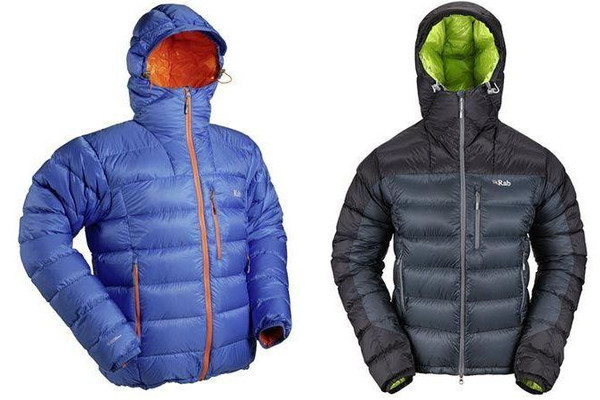
Down jacket (£50–£300)
The down jacket you go for comes down to personal preference and budget. If you’re looking for a top-quality jacket, then we recommend checking out the following brands:
- RAB
- Berghaus
- Mountain Equipment.
FREE down jacket hire on your EverTrek Everest Base Camp Trek
Feel free to get in touch to learn more.
Waterproof jacket (£30–£250)
It’s important to be prepared for different weather eventualities, and a Gore-Tex waterproof jacket is a good bet as it wicks moisture, keeping sweat at bay during periods of heavy exertion.
As for the cost of a suitable waterproof jacket, it again depends on your budget. We particularly like the Montane Minimus jacket, typically costing £80–£140. It offers excellent value for money.
Hiking boots (£40-£250)
Make sure these are worn in and you feel comfortable with them before you head off on your trek. This is so important. If possible, try to get a couple of consecutive days of hiking done in them to see how your feet feel. The last thing you need is to end up with blisters on day two of your 14-day hike.
With hiking boots, you don’t need to spend hundreds of pounds on a new pair. The most important aspect is that they fit properly.
Have a good look around, and when trying on a new boot, always walk around the store for at least 10 minutes to gauge the feel and the comfort of the boot. Of course, you will never know how the boot really fares until you get out walking in the hills or mountains, but it should give you an idea.
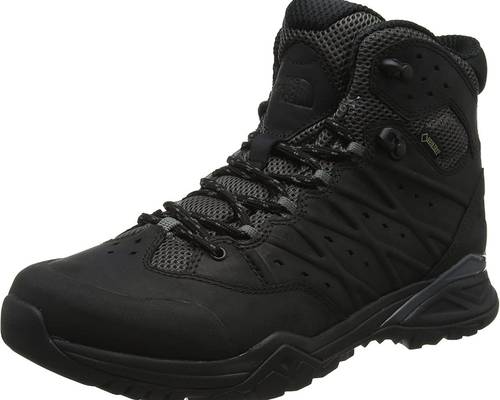
A personal favourite for the Everest Base Camp trek is the North Face Hedgehog GTX boots, which typically cost between £110 and £150. They offer incredible comfort.
Trekking trousers (£20–£100)
Comfortable trousers, like the Kiwi Trekking Trousers from Craghoppers, are a great option as they double up as shorts. Multipurpose garments are great for keeping your hiking equipment costs down.
If you’d prefer separate trousers, the Mammut Base Jump Trousers are a quality option. They are very durable and super breathable at the same time.
Base layer (£15–£100)
Often termed as your ‘skin layer’, a base layer is a hugely important layer in the colder sections of your trek, so we recommend taking a couple with you.
When it comes to recommending what base layer to go for, it really is a personal choice. While RAB and Berghaus base layers are at the higher end in terms of price, they are very good wicking items and are super comfy when hiking for 6/7 hours on the trails.
You may also wish to check out Icebreaker base layers, which are awesome. Even at temperatures of -10℃, you’ll hardly feel the cold. Great technology!
Mid layer fleece £30-£100
We recommend the Rab Nucleus Hoody. This particular hoody is ideal for trekking in Nepal as it is lightweight, provides great warmth and yet allows good moisture release (breathability). There are heaps of options when it comes to these. It’s also worth packing a couple of variations of fleece, like a full zip, a quarter zip and also a full fleece pullover to cover any situation.
We suggest taking two or three fleeces on a trek to Everest Base Camp, so it’s worth shopping around.
Walking socks (£10–£40)
Bridgedale are very well known and for a good reason. The Bridgedale Woolfusion Trekker is a great sock. Merino wool socks are always great and provide some great wicking technology for sure.
Contrary to popular belief, we’d ignore cotton-based socks as they can retain moisture, leading to blisters. There are plenty of good hiking socks out there, so you won’t go far wrong.
Duffel bag (£40-£150)
The best duffel bags are waterproof and made from a laminate material. Your bag will need to be strong and have durable zippers that can also be locked. (It’s worth bringing a small padlock to keep things secure.)
Look out for easy-to-access shoulder and hand straps, too. There are so many options, but the Patagonia 120ltr Black Hole is an absolute beast and has plenty of room, even if you decide to bring the kitchen sink with you.
Other options like Mountain Hardwear and North Face 80L-120L range are really good bags too.
FREE duffel bag hire on your EverTrek Everest Base Camp Trek
Don’t forget we can provide a duffel bag to use on our treks for free. You will automatically receive this when you get to Nepal, so there's no need to purchase one beforehand unless you really want to.
Daypack (£20-£120)
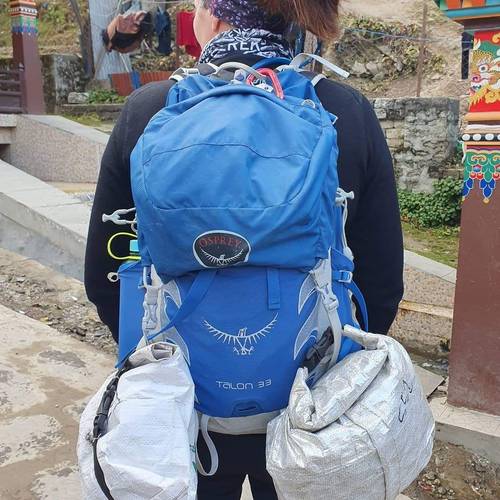
The Osprey range, including the Talon 33L, is a good option, as well as the Mountain Hardwear Rainshadow 36, which has a lot of functionality.
Remember, when you buy online with Osprey as an EverTrek member, you get 20% off and 25% off if you're a Summit Zoner! Find your discount code in your members' area.
To access it, simply log in to your members' area, click into your trip, then select 'Kit List' under the 'Important Information' section.
Sleeping bag (£30–£150)
If you want to bring your own, then we strongly suggest getting at least a 3-season sleeping bag; however, the lower the temperature that the sleeping bag can handle, the pricier they are.
For those on a tighter budget, synthetic options are cheaper. Just make sure that it has a warmth rating of at least -10℃
FREE sleeping bag hire on your EverTrek Everest Base Camp Trek
Beanie or headband (£5-£50)
A warm fleece beanie or fleece headband is therefore essential. We recommend a beanie from North Face, RAB, or Berghaus.
However, we will also provide you with a free EverTrek neck buff for extra warmth.
Get ready for your Everest Base Camp trek with EverTrek
For more insights into vital Everest hiking equipment, check out the video below to see what MD and Head Yeti, Andy, packs for his Nepal adventures. You can also download our full trek equipment list.


Annapurna Circuit Trek
- Circling the Annapurna Massif on foot is one of the greatest trekking journeys on Earth.
- Join us in Nepal for a multi-day Annapurna Circuit adventure.
- The experience will take you through varied terrain, from subtropical forests and arid high plateaus to icy mountain passes at over 5,400m.
Island Peak Expedition
- Island Peak (Imja Tse) is a true climber’s summit, a hands-on Himalayan adventure that takes you far beyond the trails and into the world of ladder crossings, ice axes, crampons, and rope teams.
- At 6,189m, this classic trekking peak offers an exhilarating alpine ascent with fixed lines, ladder crossings, and a final summit ridge that’ll get your heart thumping for all the right reasons.
- You’ll still trek through the breathtaking Khumbu region, but this expedition is all about standing on top, with Everest and Lhotse looming above, Ama Dablam to your side, and the world spread out beneath your boots.

 View trip
