 WhatsApp us


 Best Sellers
 Bucket List Adventures
 Short Trips
 Training Weekends
 Epic Peaks
 Remote Adventures
 Hardcore Challenges
 Multi-Activity Adventures
Is December A Good Time To Trek To Everest Base Camp?
Think the Everest Base Camp trekking season ends when November does? Think again!
While October and November have long been considered two of the best months to trek to Everest Base Camp, December is increasingly being recognised as a fantastic extension to the autumn trekking season.
With clearer mountain views, fewer trekkers on the trails and plenty of opportunities to experience the magic of the Khumbu region, early December could be the perfect opportunity for those who want to experience Everest without the peak autumn crowds.
So, what exactly makes December an attractive option, and what should you expect from trekking to Everest Base Camp at this time of year?
What Is The Weather Like On The Everest Base Camp Trek In December?
December marks the beginning of winter in the Everest region, meaning temperatures are noticeably colder than in October and November. However, that doesn’t mean trekking conditions suddenly become unsuitable.
In fact, early December can offer some excellent conditions for trekking.
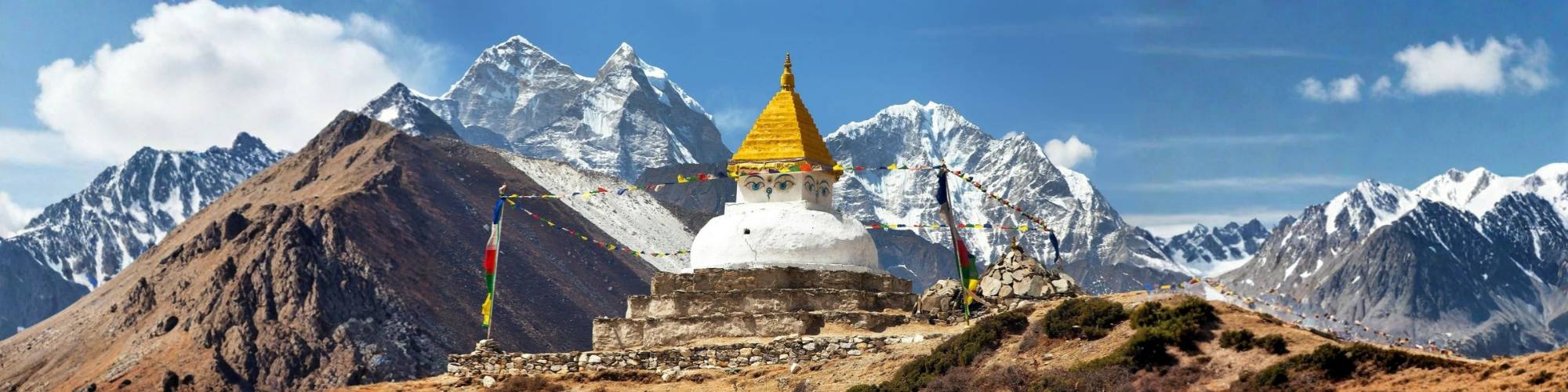
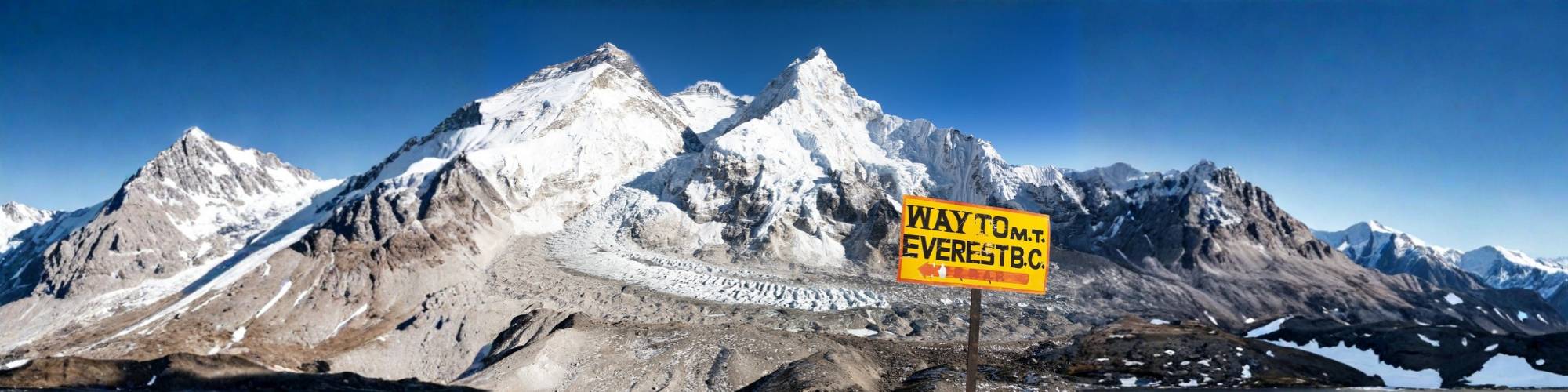
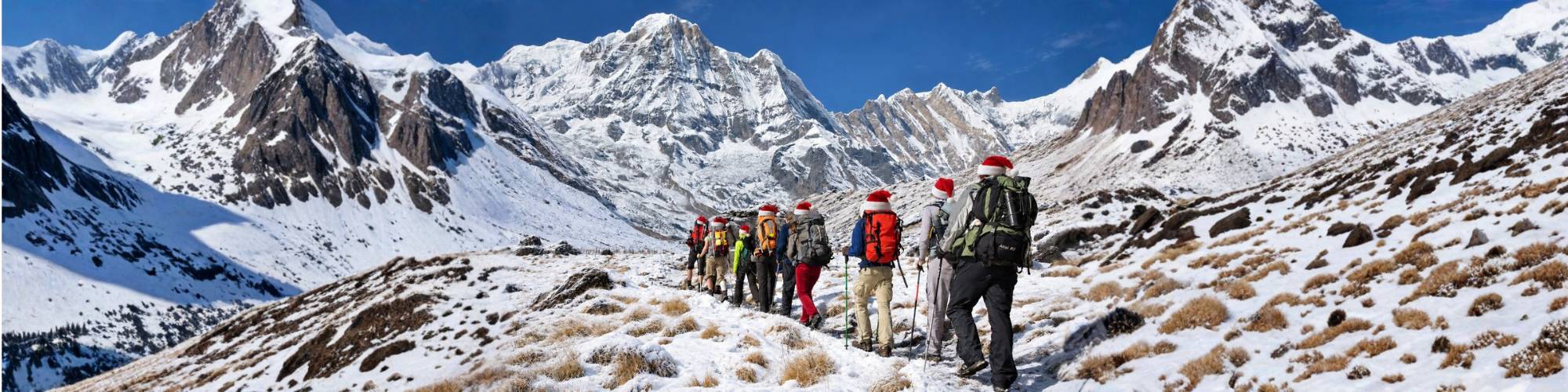
The monsoon season is long gone, autumn haze has generally settled, and the air is often crisp and clear. This can mean spectacular views of Everest, Lhotse, Ama Dablam and the surrounding Himalayan peaks.
Daytime temperatures can still be pleasant when the sun is shining, particularly at lower elevations, but temperatures drop considerably as you climb higher. Nights can fall well below freezing, especially around Dingboche, Lobuche and Gorak Shep.
It’s worth remembering that December isn’t consistent throughout the month. The first half generally offers a better opportunity to experience late-autumn-style trekking conditions, while the second half brings increasingly wintry temperatures and a greater possibility of snowfall.
The takeaway? December can be a brilliant time to trek, but warm layers and suitable equipment are essential.
3 Reasons To Consider Trekking To Everest Base Camp In December
1. Incredible mountain views
One of the biggest attractions of trekking in December is the potential for excellent mountain visibility - with clearer days often rewarding trekkers with spectacular views across the Himalayas.
Imagine waking up in the Khumbu Valley to a crisp blue sky, snow-covered peaks and uninterrupted views of some of the world’s highest mountains.
Not a bad way to start the day!
Clear conditions aren’t guaranteed, of course, but December can offer some truly unbeatable mountain scenery.
2. Quieter Trails And Teahouses
October is traditionally one of the busiest months on the Everest Base Camp trail, with November also attracting plenty of trekkers.
By December, visitor numbers generally begin to drop, creating a quieter atmosphere throughout the region.
That means fewer people on the trails, a more peaceful experience in the teahouses and potentially more opportunities to enjoy those breathtaking mountain surroundings without the crowds.
If you’d prefer a little more breathing room on your Himalayan adventure, December is certainly worth considering.
3. An Opportunity To Extend The Autumn Trekking Season
November doesn’t have to be your last opportunity to experience the Everest region before winter properly sets in.
Early December can provide a natural extension to the autumn trekking season, with many of the benefits that make November so popular still possible.
The trails can remain relatively dry at lower and middle elevations, visibility can be excellent, and the quieter atmosphere makes for a particularly rewarding experience.
However, conditions become increasingly wintry as December progresses, so choosing your departure dates carefully is important.
November vs December: Which Is Better For Everest Base Camp?
Both months can offer fantastic trekking experiences, but there are a few differences worth considering.
| Trekking Factor | November | December |
|---|---|---|
| Weather | Generally stable autumn conditions with relatively mild daytime temperatures. | Colder conditions as winter approaches, particularly at higher elevations. |
| Mountain Visibility | Excellent visibility and spectacular views of Everest and the surrounding Himalayas. | Often excellent visibility, with crisp, clear mountain views possible during early December. |
| Temperatures | Cold mornings and evenings, particularly at higher altitudes. | Noticeably colder temperatures, with nights frequently falling below freezing at higher elevations. |
| Trail Crowds | One of the busiest periods of the Everest Base Camp trekking season. | Generally quieter trails and fewer trekkers compared with the peak autumn season. |
| Snowfall | Snowfall is possible, particularly at higher elevations. | Snowfall becomes increasingly possible as winter progresses. |
| Overall Experience | An excellent choice for traditional autumn trekking conditions and spectacular Himalayan scenery. | A quieter extension to the autumn trekking season, particularly during early December, with colder conditions. |
If you prefer milder temperatures and the traditional peak trekking season, November is an excellent choice.
However, if you’re happy to wrap up a little warmer and would appreciate quieter trails, early December could be a fantastic alternative.
Neither month guarantees perfect weather, but both offer an unforgettable Himalayan experience.
Is Everest Base Camp Possible In Late December?
Yes, trekking to Everest Base Camp in December is possible, but timing matters.
The first half of December generally offers a more favourable window for those looking to enjoy excellent trekking conditions before winter fully sets in.
Towards the end of the month, temperatures become increasingly cold, snowfall becomes more likely at higher elevations, and some teahouses may close or reduce their services.
This can make logistics more challenging, so flexibility and experienced local support become particularly important.
It’s also worth remembering that weather conditions in the Himalayas can change quickly. A clear forecast is never guaranteed, and your guide will always make decisions based on the conditions on the ground.
So, Should You Book An Everest Base Camp Trek In December?
Absolutely, December is worth considering!
If you’ve always dreamed of reaching Everest Base Camp but thought November was your last opportunity before winter, early December could open up another fantastic window.
You could experience brisk mountain air, hypnotic Himalayan scenery and quieter trails, all while enjoying the adventure of a lifetime.
Just be prepared for colder temperatures, particularly at higher altitudes, and make sure you have the right clothing and equipment.
At EverTrek, we believe there’s something pretty special about experiencing the Himalayas. And if you can enjoy those spectacular mountain views with fewer people around, even better!
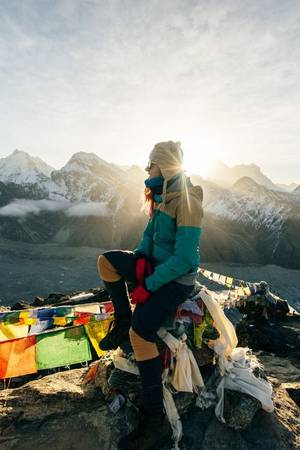
Everest Base Camp Via Gokyo Valley
- This trek package is more than seeing Everest from a different angle.
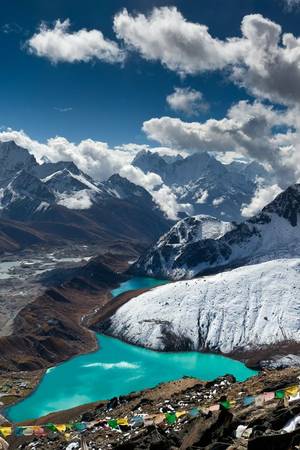
- Trekking to Everest Base Camp via Gokyo Valley takes you beyond the classic route, through peaceful Sherpa villages, past the stunning turquoise lakes of Gokyo, and up to the breathtaking viewpoint of Gokyo Ri.
- You'll cross the dramatic Cho La Pass before rejoining the main trail to Base Camp.
Everest Three Passes trek
- Trekking in the Himalayas doesn’t get much wilder than this.
- If you’re looking for a true Everest adventure, our 19-day Three Passes Trek is the expedition for you.
- You’ll cross Renjo La, Cho La, and Kongma La to form a challenging circuit through some of the most remote, rugged, and awe-inspiring terrain in Nepal.
Scotland Winter Skills Course
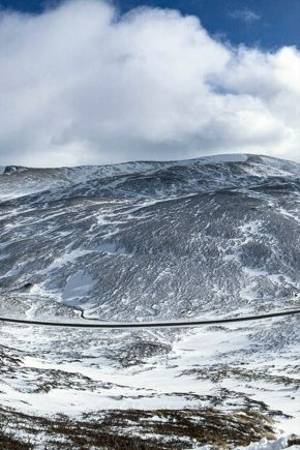
- This three day winter skills course in Scotland is a challenging yet rewarding weekend adventure and a fantastic introduction into the winter mountaineering skills needed for trekking Island Peak, Mera Peak, or even Mt Toubkal in winter conditions.
- The Scottish winter can be very unpredictable, but this makes for some awesome winter conditions — perfect for learning and practising new mountaineering skills.
- The exact location of this weekend may change based on where the best winter mountaineering conditions are at that time.

 View trip
